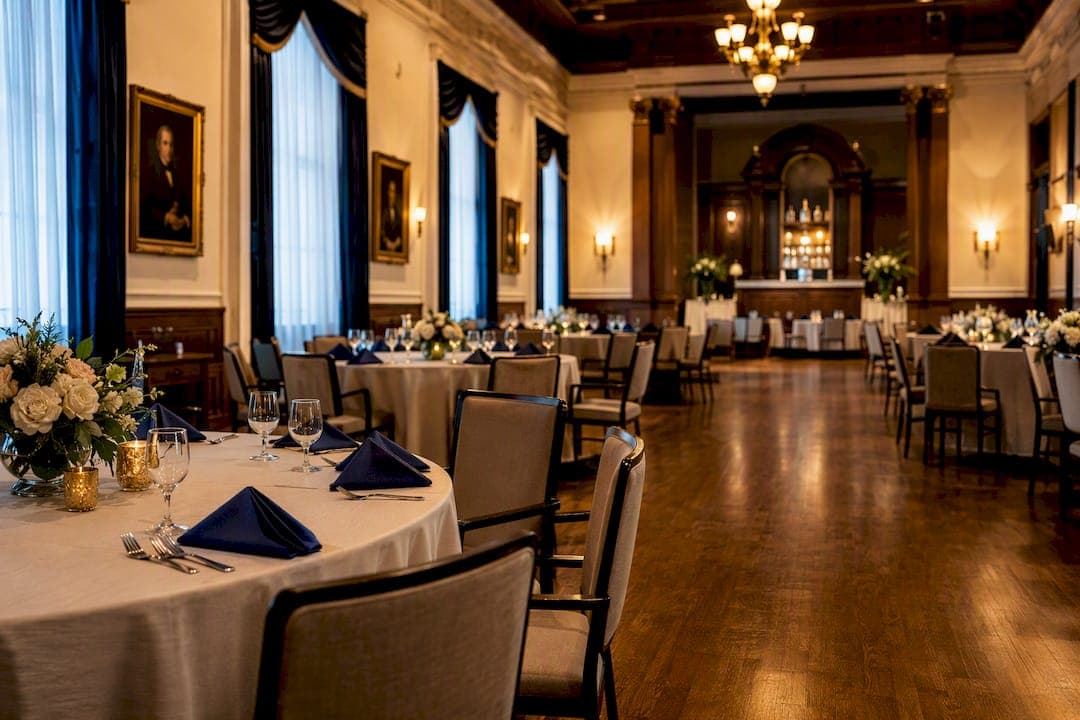
Here, "best event planning software" means a turnkey event venue package: a venue that hands you a written, itemized all-in quote and clear caps on service and labor fees before you sign anything. Skip anyone who quotes a bare rental rate and waves at "extras" later. The Ambassador Club in Portsmouth, VA, is one working example of this model: a 6,000 square foot hall with a full commercial kitchen and packages built to be compared line by line, not guessed at.
TL;DR:
- Most turnkey venue packages include basic space, audiovisual equipment, tables, linens, staffing, and catering access, but often omit costly extras like AV technician hours, overtime, décor, corkage fees, and insurance.
- Always request a detailed, line-item proposal that consolidates total all-in costs, including service charges, overtime, and mandatory fees, for accurate comparison rather than relying on headline rental prices.
- Conduct thorough site visits with a checklist to verify capacity, accessibility, facilities, Wi-Fi, and vendor logistics, and secure all fees, service caps, and hours in writing before signing.
- Negotiation is most effective when requesting bundled, per-person packages with clear exclusions, and tying concessions to guaranteed room blocks or attendance numbers, while avoiding verbal promises without written confirmation.
- Booking timing varies: large events need 9 to 18 months lead time, while smaller gatherings can often be scheduled two to four months in advance, with flexible dates providing room for better deals.
Table of Contents
- What Turnkey Event Venue Packages Include, and What They Quietly Leave Out
- How Do You Compare Venue Proposals Fairly?
- What Should Go in Your Venue Site Visit and RFP?
- Which Negotiation Tactics Actually Save Money?
- When Should You Start Booking a Venue?
- What Features Actually Matter in a Turnkey Venue Package?
- How Do You Match a Venue to Your Event Type and Size?
- Does the Venue Coordinate With Your Other Vendors and Tools?
- What Should You Expect From Venue Staff Support?
- What Pricing Models Do Venues Typically Use?
- How Should You Handle Contracts, Deposits, and Data Privacy?
- What Booking a Real Venue Actually Looks Like
- Ready to Book? Here's How to Move From Shortlist to Contract
- Sources
- FAQ
What Turnkey Event Venue Packages Include, and What They Quietly Leave Out
"Turnkey" and "all-inclusive" are marketing words, not legal ones. Nobody polices what a venue puts under either label, which is why two "all-inclusive" quotes for the same guest count can land $3,000 apart. A genuinely inclusive package usually covers the space itself, basic audiovisual equipment, tables and chairs, standard linens, a staffing baseline, some form of catering access, cleaning, liability coverage, and a defined access window for setup and teardown.
What tends to disappear from the headline number is where things get expensive. AV technician labor, service charges, overtime, décor upgrades, corkage fees, and mandatory insurance riders routinely show up as add-ons after the fact. Industry data shows only 16% of venues still offer pure space-only rental, meaning most packages already bundle services, but the bundling varies wildly in what's actually inside it.
Common gaps to check for before you get excited about a quote:
- AV technician hours beyond a basic microphone and screen setup
- Service charges, which commonly run 18 to 25 percent of the food and beverage total
- Overtime fees triggered when an event runs past the contracted end time
- Décor installation and removal labor
- Corkage or outside-alcohol fees
- Insurance requirements you're expected to source yourself
Ask every venue for a line-item breakdown before you compare a single price. A venue's built-in amenities around catering, AV, staffing, and linens are often what separates a genuinely good package from a technically compliant one.
How Do You Compare Venue Proposals Fairly?
You can't compare two quotes side by side until you convert each one into a single all-in number. A $4,500 rental with a 22% service charge, mandatory AV labor, and a $500 overtime buffer can easily cost more than a $6,000 quote that already includes everything. Add up the base fee, service charges, AV technician labor, potential overtime, insurance costs, and any mandatory add-ons for every proposal before you rank them.
Once you have real numbers, score each venue against the same criteria instead of going by gut feeling:
- Total all-in cost, not the headline rental figure
- Inclusions quality: are tables, linens, and basic AV genuinely included, or itemized separately?
- AV specs and technician hours: does the quote name actual equipment and staffed hours, or vague "AV support"?
- Catering flexibility: can you bring outside caterers, and how are dietary accommodations handled?
- Staffing and day-of coordination: is there a point person on-site, and for how many hours?
- Access windows: how early can vendors load in, and how late can teardown run?
Scoring proposals on total cost rather than sticker price is, according to event procurement guidance, the single change that most improves the economics of a booking. Hotels can make sense for large groups needing on-site guest rooms, but for groups under 150, hotels are often less competitive on price than standalone halls or non-traditional spaces. Non-hotel venues can undercut hotel pricing meaningfully, provided you're willing to coordinate catering and rentals yourself or confirm the venue already handles it.
What Should Go in Your Venue Site Visit and RFP?
A request for proposal that skips key details invites vague answers, and vague answers turn into surprise fees three weeks before the event. Send every venue you're considering an RFP that spells out these fields:
- Event date plus two or three backup dates
- Guaranteed headcount and expected range
- Preferred setup style (banquet rounds, theater, classroom, cocktail)
- A detailed AV rider listing microphones, screens, projectors, and staffed hours
- Catering needs, including dietary accommodations and outside-caterer policy
- Your total budget range
- Room-block or accommodation requests, if guests need lodging
- Insurance requirements and who carries the policy
When you walk the space in person, check capacity under your actual setup style (a room rated for 200 theater style may only fit 120 banquet rounds), parking and valet availability, loading dock and elevator access for vendors, whether the kitchen is truly commercial grade, Wi-Fi bandwidth with a backup plan, restroom counts relative to guest count, and any security or permit requirements. A structured site-visit checklist covering these items catches the problems that photos on a website never show. Reviewing a conference vs. banquet setup guide before your visit helps you estimate real capacity instead of trusting a marketing number.
Before signing, lock down itemized fees, the exact service charge percentage, a hard cap on overtime rates, cancellation and attrition terms, and the specific hours included in staffing.
Pro Tip: Bring a printed copy of your RFP to the site visit and ask the venue to annotate it live. A sales team that hesitates to put answers in writing on the spot is telling you something about how the contract will go.
Which Negotiation Tactics Actually Save Money?
Asking for a discount rarely works. Asking for a restructured, bundled package almost always does. Request a single per-person package that folds room rental, food and beverage, and AV into one number, then ask the venue for an itemized comparison showing exactly where their markup sits. Bundled per-person pricing gives venues room to shift discounts across categories, which usually produces a better outcome than negotiating rental fee alone.
If you're bringing overnight guests, tie your ask to room-block pickup. Venues and hotels regularly trade concessions for guaranteed room nights:
- Comped meeting space or a reduced rental fee
- A set number of complimentary guest rooms
- VIP room upgrades for the host or wedding party
- Waived parking or resort fees
- Food and beverage credits applied to the final bill
Non-traditional venues, including cultural spaces, private clubs, and university halls, can undercut hotel and conference-center pricing substantially. That saving comes with a catch: you'll likely coordinate more of the catering, rentals, and vendor logistics yourself unless the venue's packages already absorb it. A catering cost-saving checklist is worth running through before you finalize any F&B negotiation.
Pro Tip: Always ask for a "not-to-exceed" cap on labor and overtime rates in writing, not verbally promised. A verbal cap means nothing once the invoice arrives.
Never sign until you have the full line-item proposal in hand. A verbal "don't worry, it's all included" is not a contract term.
When Should You Start Booking a Venue?
Timing depends almost entirely on event size and the season you're targeting. Large corporate conferences typically need a 9 to 18 month lead time, largely because catering, AV vendors, and hotel room blocks all need to be locked before marketing and registration open. Weddings chasing peak-season Saturdays, particularly in spring and fall, face similar pressure: popular dates in those windows often book out 12 to 18 months ahead.
Smaller events have more room to move. A birthday party, a memorial gathering, or a corporate team celebration for 50 to 100 guests can often be booked with two to four months' notice, especially on a weekday or during an off-peak month. The trade-off is choice: booking late usually means fewer available dates and less negotiating leverage, since the venue knows you're working against a shrinking calendar.
If your date is flexible, that flexibility is itself a bargaining chip. Venues are frequently more willing to negotiate on price or add concessions for a Thursday evening or a January booking than for a June Saturday. Whatever your timeline, get the date held in writing with a deposit structure spelled out. A verbal hold disappears the moment someone else asks for the same date with a check in hand.
What Features Actually Matter in a Turnkey Venue Package?
The venue-package version of "features" isn't software menus. It's the operational capabilities baked into the package itself. Scheduling shows up as clearly defined access windows for setup, the event, and teardown. Budget tracking shows up as an itemized proposal you can hold against your actual spend as changes happen. Guest list management shows up as a staffing plan tied to your guaranteed headcount, plus a day-of coordinator who knows your run of show.
A strong package spells out exactly which of these functions the venue's staff handles versus what falls to you or an outside planner. Some venues include a dedicated on-site coordinator who manages vendor check-in and timeline adjustments during the event. Others hand you a floor plan and a set of house rules, then step back. Ask specifically who is managing the room during your event, and get their name and role in writing.
Catering flexibility functions as another core "feature." A full commercial kitchen on-site, paired with flexible catering policies, lets you adjust menu and dietary accommodations closer to the event date than a venue locked into one exclusive caterer. AV capability matters just as much: a built-in projection wall and house sound system reduce your need to rent and truck in equipment, which is often where budgets quietly balloon.

How Do You Match a Venue to Your Event Type and Size?
Start with guest count and format, not aesthetics. A hall rated for 200 guests banquet-style might comfortably seat far fewer once you add a dance floor, a head table, and a bar setup. Ask the venue for capacity figures broken out by your actual layout, not a generic maximum.
Event type changes what matters most. A wedding reception needs flexible catering, a dance floor, and enough lead time to lock decor vendors. A corporate event usually prioritizes AV reliability, a professional atmosphere, and clean access for load-in of branded materials. A memorial service needs a calm, appropriately scaled room and flexible timing more than elaborate staging. A milestone birthday or family celebration often needs the shortest list of requirements and the most price sensitivity.
Match venue size to guest count with room to spare, not room at capacity. A space that technically fits 200 feels cramped at 190 once tables, a bar, and a buffet line eat into the floor plan. If your count is uncertain, ask whether the venue can adjust room configuration as your guaranteed headcount firms up closer to the date, and get that flexibility written into the contract rather than assumed.
Does the Venue Coordinate With Your Other Vendors and Tools?
A turnkey package still needs to work alongside the other pieces of your event, whether that's a florist, a photographer, a hotel block for out-of-town guests, or your own guest communication system. Ask how the venue's staff coordinates with outside vendors on the event day. Some venues assign a coordinator who runs a shared timeline with every vendor; others expect you or your planner to manage that handoff.
Payment flexibility is worth confirming early. Deposit structures, accepted payment methods, and whether the venue allows a payment plan across your planning timeline all affect your cash flow leading up to the date. If you're managing RSVPs and guest updates yourself, a lightweight communication tool built for event day messaging, like TextMyGuests, can keep last minute changes, parking instructions, or timeline shifts reaching guests without a chain of individual texts.
If lodging is part of the picture, particularly for weddings or multi-day corporate events, coordination between the venue and nearby hotels matters more than people expect. A mismatch between your venue's timeline and a hotel's check-in policy creates avoidable friction on the day itself. Reviewing food and lodging workflow guidance ahead of booking helps you spot where catering and lodging logistics need to line up.
What Should You Expect From Venue Staff Support?
Ease of working with a venue comes down to how much the staff explains upfront versus how much you have to extract through repeated follow-up emails. A well-run venue answers RFP questions with specifics: exact AV equipment lists, real capacity numbers by setup style, and a named point of contact rather than a general office line.
Training and resources look different here than in a typical vendor relationship. Instead of tutorials, you want a clear run sheet: who manages the kitchen on event day, how catering timing is coordinated, and what happens if a vendor runs late on load-in. A catering workflow run sheet shows you what a well-organized on-site process actually looks like before you're relying on it live.
Customer service quality shows up most clearly in how a venue handles the unexpected. Ask what happens if your headcount changes ten days out, if a vendor arrives late, or if the event runs over the contracted end time. A venue that has a calm, pre-defined answer for each of those scenarios has clearly handled them before. One that gets vague or defensive is telling you how the day will actually go if something shifts.
What Pricing Models Do Venues Typically Use?
Most venues price one of three ways: a flat rental fee with add-ons billed separately, a per-person package that bundles space, food, and basic services, or a tiered package structure where you pick a level and known inclusions come with it. None of these is inherently better. What matters is whether the model makes comparison easy or hides the real cost behind a low headline number.
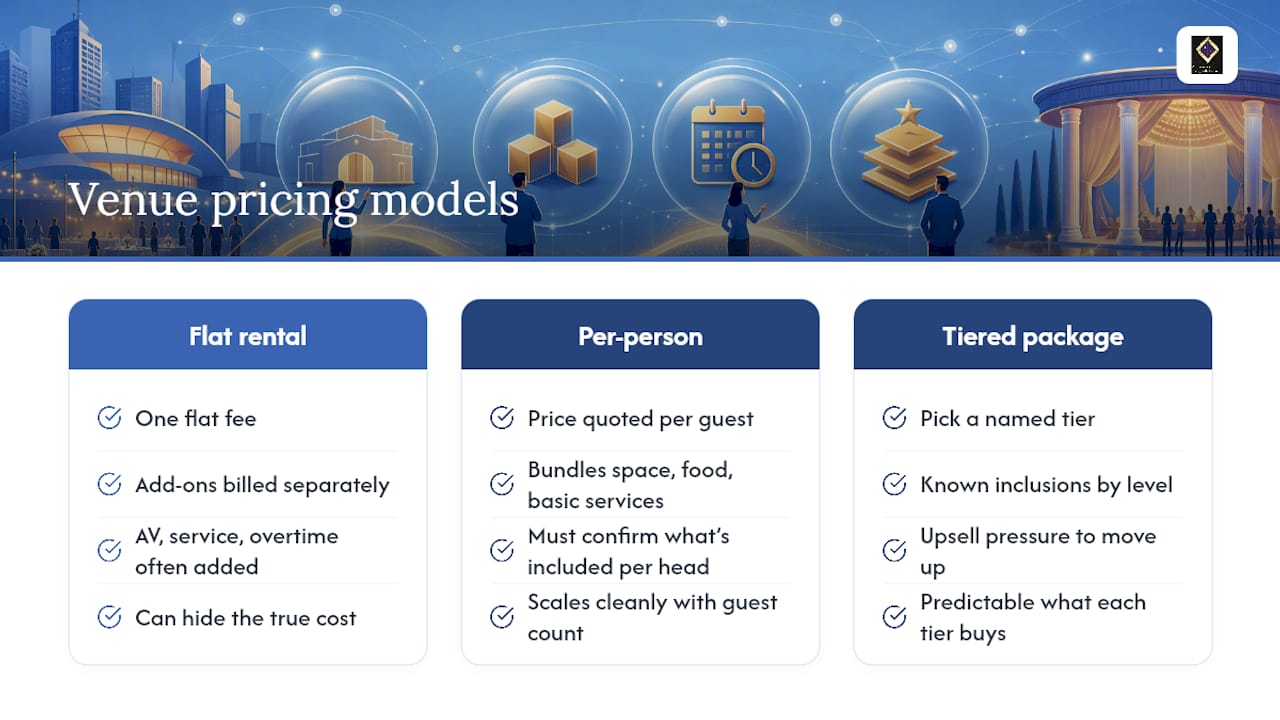
Flat rental fees look attractive until you add back AV labor, service charges, and overtime, at which point the "cheap" venue can end up costing more than a bundled option. Per-person packages simplify comparison because the math scales cleanly with your guest count, but you need to confirm exactly what's included per head, since two venues quoting $85 per person can mean very different things.
Tiered packages work well for readers who want predictability. A "Silver, Gold, Platinum" structure, or its equivalent, tells you upfront what jumps to the next tier buys you, whether that's extended hours, upgraded linens, or additional staffing. The risk is upselling pressure to move up a tier for features you don't actually need. Whatever the pricing model, insist on seeing the full line-item version before comparing it against a competing venue's quote, since headline numbers built on different inclusion sets aren't actually comparable numbers at all.
How Should You Handle Contracts, Deposits, and Data Privacy?
Contract terms deserve the same scrutiny as pricing. Cancellation policies, attrition clauses tied to room blocks, and deposit schedules all shift financial risk toward you or the venue depending on how they're written. Get every fee, cap, and concession discussed in negotiation written into the contract itself, not left as a verbal understanding from a sales call.
Insurance and permitting fall into this same category of paperwork that protects both sides. Confirm who carries liability coverage, whether the venue requires you to add them as an additional insured party, and what permits, if any, your event type requires locally. A venue security and permit guide is useful groundwork if your event involves alcohol service, large crowds, or off-hours access.
Data privacy matters more than most planners expect, especially for corporate events collecting attendee information, dietary restrictions, or payment details for deposits. Ask how the venue stores and handles any personal information you share during booking, particularly if you're submitting guest lists, dietary needs, or accessibility requests electronically. A venue that can't answer basic questions about how it handles your guest data in writing hasn't thought it through, which is worth knowing before you hand over a full attendee roster.
What Booking a Real Venue Actually Looks Like
The gap between a polished proposal and a real event day is where most surprises live, and it's rarely the big-ticket items that trip people up. It's the AV technician who bills a two-hour minimum you didn't budget for, or the catering headcount that has to be finalized earlier than the contract implied. At The Ambassador Club in Portsmouth, VA, a historic hall built in 1933 with roughly 6,000 square feet and capacity up to 200 guests, the first-tour conversation tends to circle back to the same three questions every time: how AV technician hours are billed, how the itemized catering breakdown actually reads line by line, and how many staff are on-site for a given guest count.
Those questions matter more than the tour itself. A full commercial kitchen and flexible catering options sound good on a landing page, but the useful version of that claim is a written package that spells out staffing counts and technical hours before a signature happens. Readers who ask for that level of detail upfront, at any venue, tend to end up with far fewer surprises on the invoice.
— MARTIN
Ready to Book? Here's How to Move From Shortlist to Contract
You've read what turnkey packages should include, how to score proposals on all-in cost, and what to demand in writing before you sign. The venue applies that same standard to its own packages: a written, itemized quote, clear labor and overtime caps, and a full commercial kitchen with flexible catering options built into a hall that holds up to 200 guests.
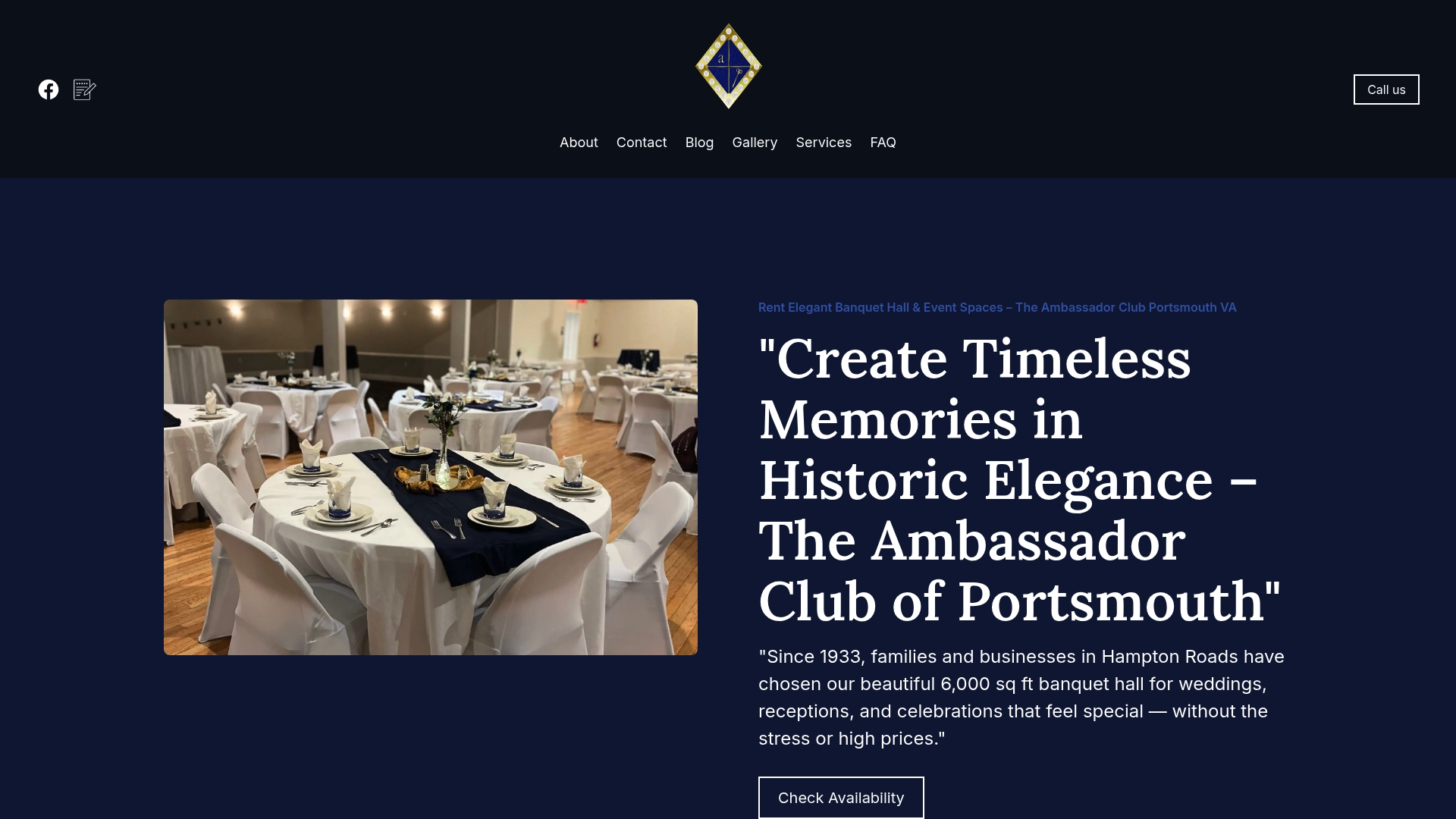
Moving from shortlist to signed contract takes four steps. Request an itemized quote that breaks out service charges, catering, and staffing separately. Confirm AV technician hours and get a written overtime cap. Schedule a walk-through of the space under your actual setup style, not just a generic tour. Ask for sample contract language on cancellation and attrition before you commit a deposit. Check available dates for your event at Ambassador Club and start that conversation with the same checklist you'd bring to any venue on your shortlist.
Sources
- How to Find and Book a Corporate Venue on a Budget | Cvent Blog
- Event venue checklist and guidance | Perfect Venue
- The ultimate checklist for booking an event venue | EventUp Blog
- Turnkey event venue packages and what they actually include
FAQ
What Does "Best Event Planning Software" Mean in This Guide?
It refers to turnkey venue packages, meaning a physical venue that bundles space, staffing, AV, and catering into one written, itemized proposal rather than a digital planning app.
What's a Reasonable Service Charge to Expect?
Service charges commonly run 18 to 25 percent of the food and beverage total, so always ask for that percentage in writing before comparing quotes.
How Far in Advance Should I Book a Venue?
Large corporate conferences and peak-season weddings typically need 9 to 18 months of lead time, while smaller events can often be booked with a few months' notice.
Are Hotels or Standalone Venues Cheaper for Smaller Groups?
For groups under 150 guests, hotels are often less price-competitive than standalone halls or non-traditional venues offering bundled packages.
Does Ambassador Club Offer an Itemized Quote?
The venue provides packages built around a full commercial kitchen and flexible catering options for up to 200 guests, and readers should request the itemized breakdown directly to confirm current inclusions and fees.