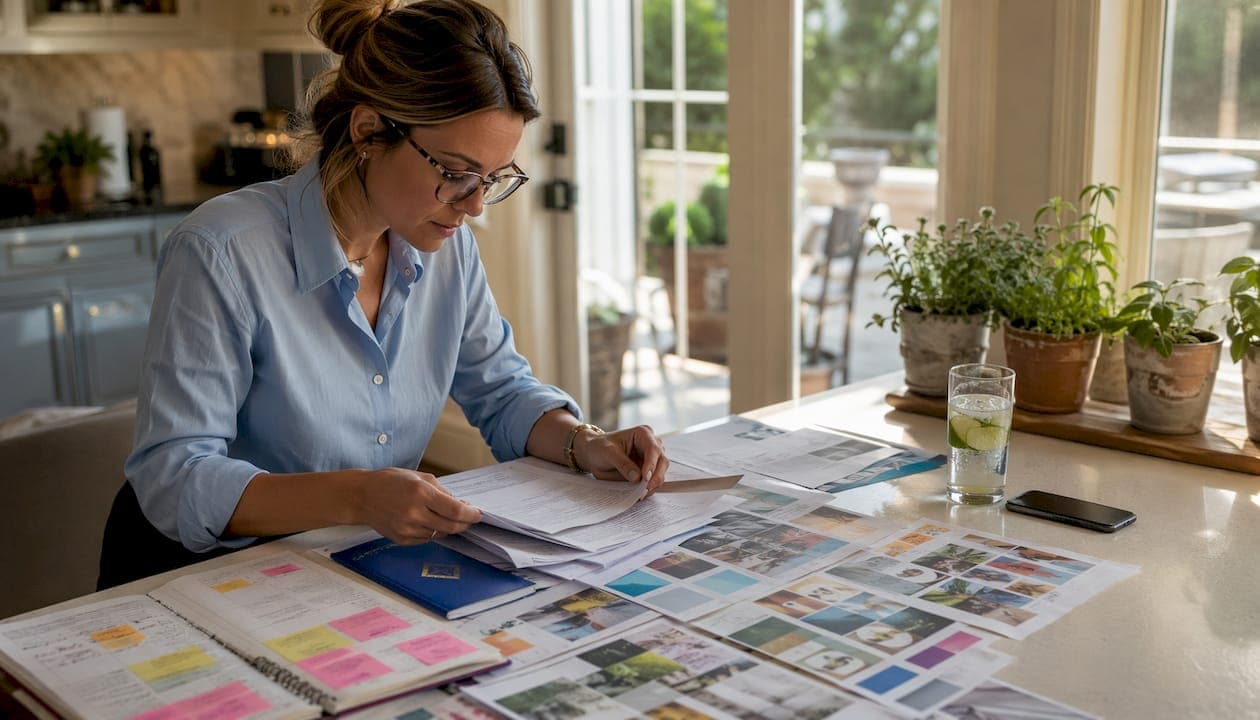
Budget-friendly events impress because they force a discipline that lavish budgets rarely require: every decision has to earn its place. When you can't spend your way out of a problem, you plan your way through it. The result is often a sharper, more intentional experience than guests get at events where money substitutes for thought. The core reasons low-cost events land well come down to a few consistent principles:
- Guests remember how they felt, not what things cost
- Focused spending on two or three high-impact moments outperforms spreading money thin
- Personalization signals effort, and effort signals that guests matter
- Creative choices create conversation; expensive choices often don't
- Experiential engagement over spectacle consistently drives stronger attendee connection
The planner's job isn't to spend more. It's to make guests feel something worth remembering.
Table of Contents
- Why budget-friendly events still impress: creative ideas that make them stand out
- How to select and maximize a budget-friendly venue
- Food and catering strategies that keep quality high and costs down
- How vendor negotiation and strategic partnerships extend your budget
- What industry research and The Ambassador Club's experience actually show
- How community resources and sponsorships multiply your event budget
- How to measure whether your budget event actually succeeded
- The Ambassador Club offers historic elegance at a price that makes sense
- FAQ
- Key Takeaways
Why budget-friendly events still impress: creative ideas that make them stand out
The gap between a forgettable event and a memorable one rarely comes down to the budget line. It comes down to the choices made within it. Here are the ideas that consistently punch above their price:
- Lighting does more work than almost anything else. String lights, uplighting, and candles shift a plain room into something that feels considered. Rental costs are low; the visual payoff is disproportionate.
- Scent is underused. A single signature scent at the entrance, whether from fresh flowers, a candle, or a diffuser, creates an immediate sensory impression that guests associate with the event long after.
- Monochromatic themes simplify décor decisions and look polished. Picking one color family and committing to it across linens, florals, and signage reads as intentional design, not budget constraint.
- Free or low-cost entertainment options work when they fit the crowd. A local acoustic musician, a curated playlist on a good speaker, or a photo booth built from a ring light and a phone can generate more guest interaction than a hired DJ.
- Participatory activities replace passive consumption. A DIY cocktail station, a "build your own" food bar, or a group activity gives guests something to do and talk about.
- Digital invitations and social media promotion cut print costs while extending reach. A well-designed digital invite on Canva or Paperless Post costs a fraction of printed stationery and can be shared instantly.
The thread connecting all of these: they require thought, not spend.
How to select and maximize a budget-friendly venue
Venue selection is a design decision as much as a logistics one. A space with inherent character, exposed brick, architectural detail, historic bones, or a natural setting, needs far less added to it. You're not decorating a blank box; you're accenting something that already works.
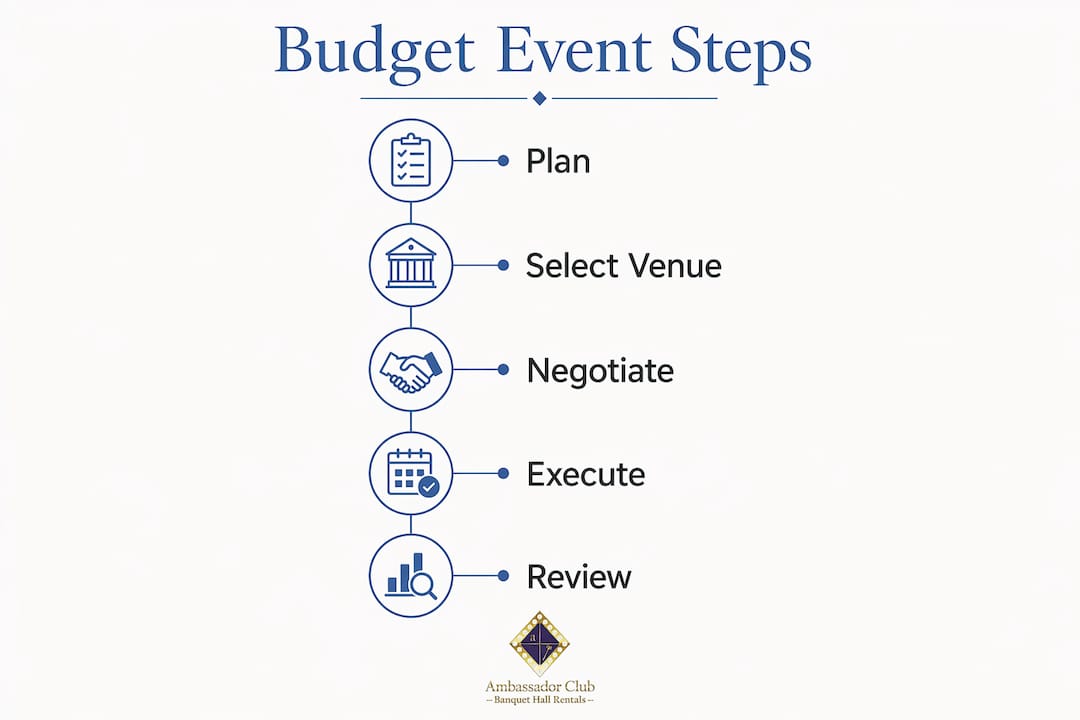
Community spaces, parks, and private properties are genuinely underused options. A well-maintained backyard, a library meeting room, or a park pavilion can host a polished event when the styling is deliberate. The savings on rental fees can be redirected to the two or three elements that guests will actually notice.
Pro Tip: Before you book any venue, walk through it at the same time of day your event will run. Natural light, ambient noise, and the feel of the space change dramatically between morning and evening. What looks ideal at noon can feel entirely different at 7 PM.
Venues with natural aesthetic appeal reduce your production needs significantly. The historic venue experience at Ambassadorclubportsmouth is a clear example: the club's architecture and ambiance do the heavy lifting, so planners don't need to import a visual identity from scratch. The 6,000 sq ft hall has accommodated up to 200 guests since 1933, and the built-in elegance means décor budgets stretch further than they would in a generic rental space.
Layout optimization matters too. Clustering seating to create density, using furniture to define zones, and directing foot traffic toward focal points all make a space feel fuller and more intentional. A well-sized venue that fits your guest count snugly always reads better than a large room that feels half-empty.
Food and catering strategies that keep quality high and costs down
Food is one of the areas where guests notice quality most directly, and also where planners most often overspend on the wrong things. The fix is making food experiential rather than just plentiful.
- Interactive stations outperform plated meals on both cost and engagement. A taco bar, a charcuterie spread, or a slider station lets guests customize their experience and creates natural conversation points.
- Timing your event strategically reduces catering scope. A mid-morning event calls for brunch items; a late-afternoon gathering needs only light appetizers. Neither requires a full dinner service.
- Negotiate package deals or consumption pricing with caterers. Many caterers will offer a flat per-head package that includes setup and cleanup, which often costs less than itemizing everything separately.
- Local and emerging vendors frequently offer better rates and fresher product. A newer catering operation building its portfolio will often price competitively and bring more energy to execution than an established vendor running on autopilot.
- Simple décor at the food table elevates the whole presentation. A linen runner, a few small florals, and consistent serving vessels make a buffet look intentional. The food doesn't need to be elaborate if the presentation is clean.
One underrated move: serve a signature drink instead of a full bar. One well-named cocktail or mocktail, presented with a small card explaining it, becomes a talking point. It costs less than a stocked bar and guests remember it.
How vendor negotiation and strategic partnerships extend your budget
The best vendor relationships in budget event planning aren't transactional. They're built on mutual benefit, and that changes what's possible.
- Emerging talent trades flexibility for exposure. A photographer building a portfolio, a florist launching a new style, or a band looking for a venue recording will often negotiate on price in exchange for testimonials, tags, or referrals.
- Multi-year or multi-event agreements unlock discounts. If you work with a vendor regularly, propose a preferred-vendor arrangement. Guaranteed future business is worth a rate reduction to most small operators.
- Sponsorships convert event costs into marketing value for local businesses. A restaurant might provide appetizers in exchange for prominent signage; a local brewery might supply beverages for a logo placement. The key is framing it as a marketing opportunity, not a donation request.
- Community partnerships add resources without adding line items. Local nonprofits, civic organizations, and business associations often have equipment, spaces, or volunteer capacity they'll share for co-branding or cross-promotion.
Pro Tip: Pick two or three elements that will define the guest experience, and protect those budget lines first. Then simplify everything else. A stunning entrance and one great food moment will be remembered; matching napkin rings probably won't.
Tracking ROI matters when you're asking partners to contribute. After the event, send sponsors a brief summary: attendance numbers, social reach, photos of their branding in context. That follow-through is what turns a one-time arrangement into a recurring partnership.
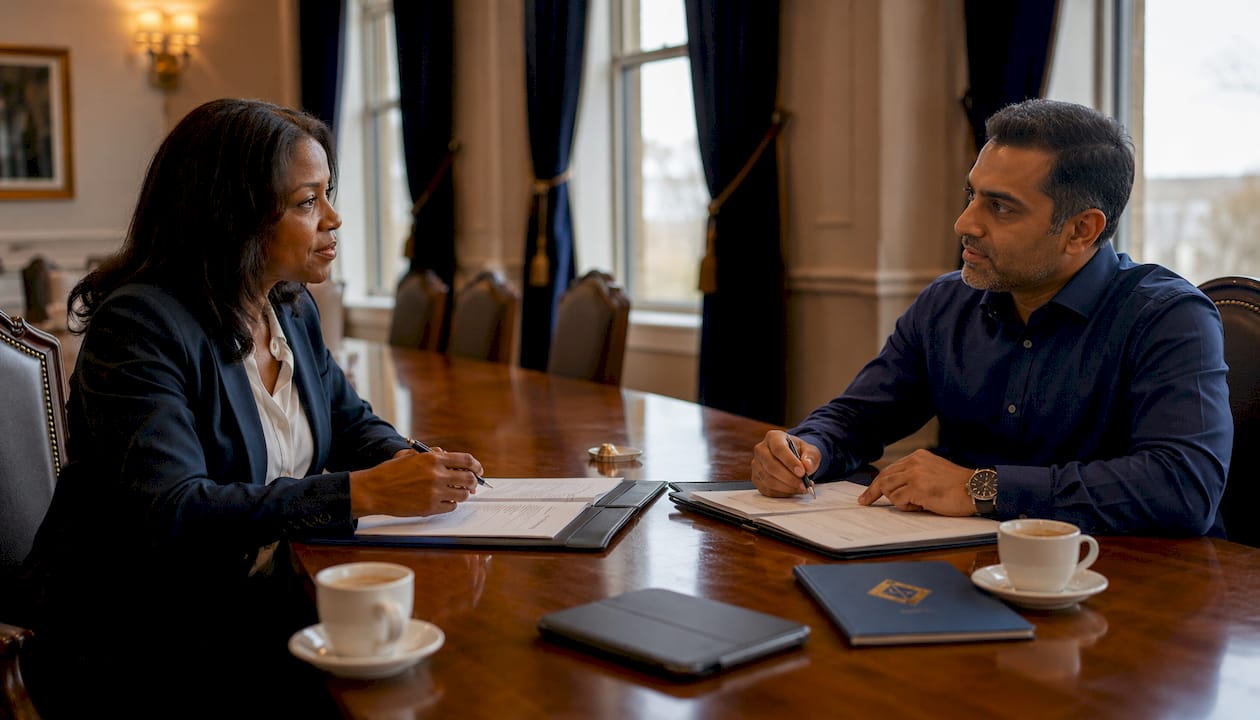
What industry research and The Ambassador Club's experience actually show
The research on event perception is consistent: guests judge events by how effortless they feel, not by what they cost. Coordinated visuals, smooth transitions, and attentive service produce a premium impression regardless of the budget behind them. The industry trend has been moving away from spectacle for years, toward connection and personalization as the primary measures of event success.
Arrival experience is where this plays out most visibly. Guests form their first impression within the first few minutes of entering a space. Atmospheric touches at the entrance, a greeter, a scent, a well-lit threshold, set the emotional tone for everything that follows. Spending $50 on entrance lighting and a welcome moment often does more for guest perception than $500 spent on centerpieces no one examines closely.
The mistake planners make most often is trimming budgets proportionally across every category. Cut 20% from everything and you end up with a diluted version of the original plan. The better approach: identify the two or three moments that will define the event, protect those fully, and simplify everything else aggressively.
Ambassadorclubportsmouth illustrates this principle in practice. The club's historic venue carries its own visual weight, which means planners working within the space can concentrate their budget on guest experience rather than décor production. Since 1933, the venue has hosted weddings, receptions, and corporate events for the Hampton Roads community, consistently delivering an elegant atmosphere at competitive rates.
Key principles that experienced planners return to:
- Protect the arrival experience above almost everything else
- Invest in sound quality; bad audio ruins good content
- Personalization signals care more effectively than expensive materials
- Simplicity in design reads as confidence, not constraint
How community resources and sponsorships multiply your event budget
Community resources are one of the most underused tools in budget event planning. Local libraries, community centers, parks departments, and civic organizations often have tables, chairs, AV equipment, and even staffing available at no cost or nominal fees to community members. Tapping these before renting from an event supply company can free up hundreds of dollars.
Sponsorship works best when you approach it as a value exchange. A local business gets visibility in front of your guest list; you get product, services, or cash that offsets costs. The global sponsorship market has grown substantially over the past two decades, which reflects how seriously businesses take event-based brand exposure. Even at a local level, that dynamic holds.
Frame your sponsorship ask around specifics: how many guests, what demographic, what visibility the sponsor receives, and what the follow-up reporting will look like. Vague asks get vague responses. A one-page sponsorship brief with three clearly priced tiers converts far better than an email asking if someone "might want to help out."
How to measure whether your budget event actually succeeded
Measuring success on a budget event requires defining what success looks like before the event runs, not after. Attendance rate against invitations sent is a baseline metric, but it tells you almost nothing about quality of experience.
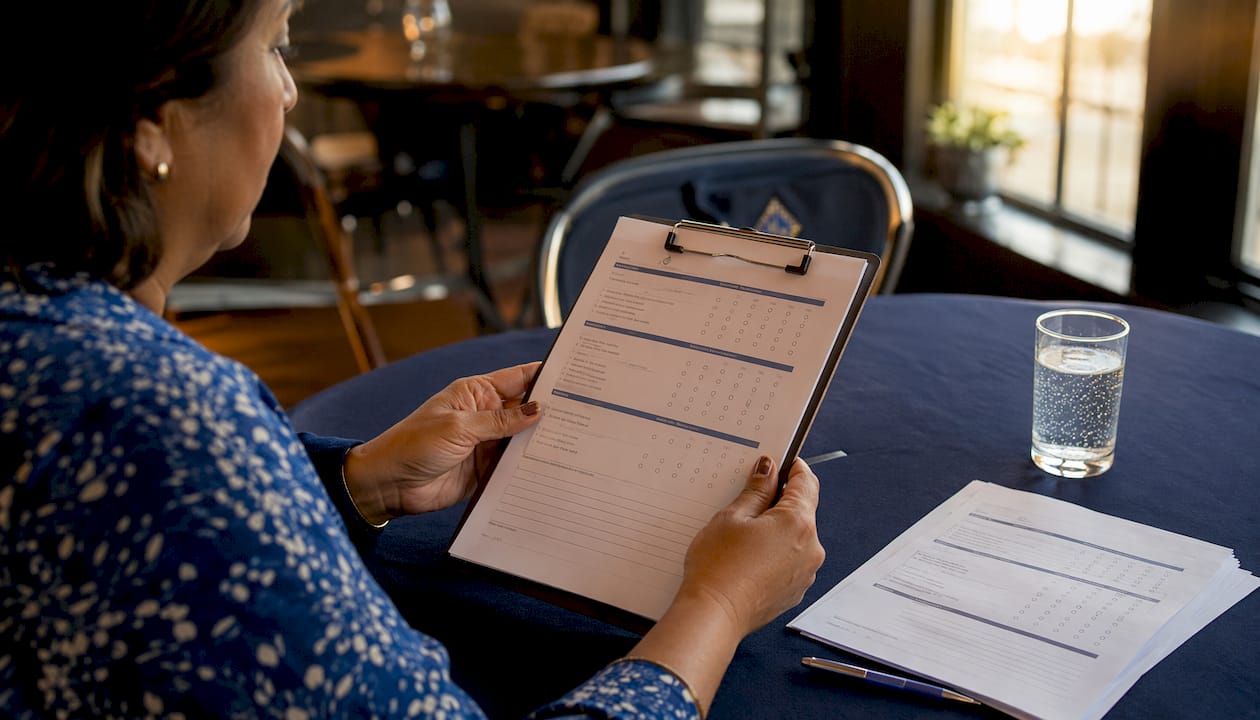
Post-event surveys are the most direct tool. A three-question survey sent within 24 hours, while impressions are fresh, captures what guests actually felt. Ask what they'll remember, whether they'd attend again, and one open-ended question about what could have been better. The responses will tell you more than any attendance count.
For corporate or organizational events, track downstream behavior: did attendees follow up, make a purchase, sign up for something, or share content from the event? Social media mentions and tagged photos are a rough but real proxy for guest enthusiasm. An event that generates organic sharing delivered an experience worth talking about.
Cost-per-positive-impression is a useful internal metric. Divide your total spend by the number of guests who reported a positive experience in your survey. Over multiple events, that ratio tells you where your planning is getting more efficient and where it isn't. Budget events that score well on this metric prove the core claim: memorable gatherings don't require large budgets. They require clear priorities and honest post-event evaluation.
The Ambassador Club offers historic elegance at a price that makes sense
Most planners searching for an affordable venue end up choosing between a generic rental hall with no character and a premium venue that blows the budget before a single vendor is booked. Ambassadorclubportsmouth is a different option entirely.
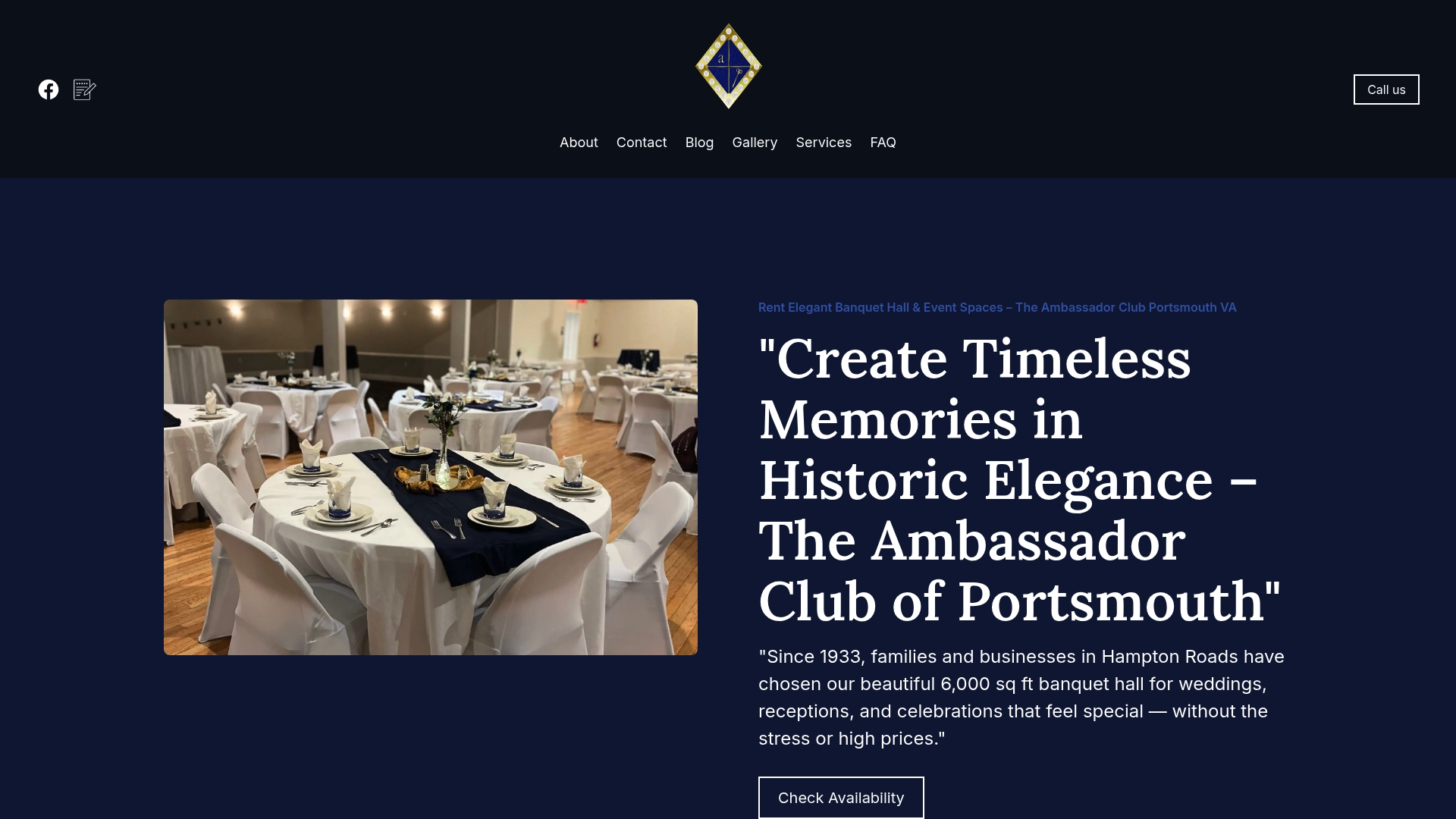
The club's spacious hall in Portsmouth, VA has hosted weddings, receptions, and corporate events since 1933. The architecture and ambiance arrive with the rental, which means your décor budget goes further and your planning load is lighter. A full commercial kitchen, flexible catering options, and comprehensive packages accommodate a moderate number of guests at rates that don't require a compromise on quality. For planners in the Hampton Roads area who need a space that looks expensive without costing that way, the club is worth a serious look. Check availability and packages to see what dates are open for your event.
FAQ
Why does budgeting matter so much in event planning?
A clear budget forces prioritization, which almost always improves the guest experience. Without spending limits, planners tend to spread resources thin; a defined budget pushes them toward the two or three decisions that actually matter.
How do you throw an impressive party without spending a lot?
Focus on arrival experience, one standout food moment, and a cohesive visual theme. Guests remember how the event felt, not the line-item cost of each element.
What are the 5 C's of event planning?
Definitions vary across the industry, but a widely used version covers Concept, Coordination, Control, Culmination, and Closeout. These stages apply regardless of budget size.
How can you have fun at an event without overspending?
Participatory activities, interactive food stations, and a well-curated playlist generate more genuine enjoyment than passive entertainment. Engagement beats spectacle at every price point.
Can a historic venue actually be budget-friendly?
Yes. Venues with built-in character, like Ambassadorclubportsmouth's hall in Portsmouth, VA, reduce the décor and production costs that inflate budgets at generic spaces. The venue's aesthetic provides visual appeal that eases decoration needs.
Key Takeaways
Budget-friendly events impress when planners concentrate resources on a few high-impact moments, prioritize guest experience over visual spectacle, and choose venues that carry their own aesthetic weight.
| Point | Details |
|---|---|
| Experience beats spend | Guests remember how they felt, not what the event cost; focused planning delivers stronger impressions than high budgets spread thin. |
| Protect two or three anchors | Identify the moments that will define the event and fund those fully; simplify everything else aggressively. |
| Venue selection is a design choice | Spaces with inherent character reduce décor needs and stretch budgets further than generic rental halls. |
| Measure what matters | Post-event surveys and cost-per-positive-impression metrics reveal whether the budget was allocated effectively. |
| Ambassadorclubportsmouth | The club's historic 6,000 sq ft hall in Portsmouth, VA delivers built-in elegance and full catering support at competitive rates for up to 200 guests. |