
A community event hall is defined as a shared, multipurpose venue owned or managed by a local organization, government body, or nonprofit, and made available for public and private events at below-market rates. The community event hall advantages are real and measurable: lower rental costs, flexible layouts, built-in amenities, and a social atmosphere that commercial venues rarely match. Ambassadorclubportsmouth, operating since 1933 in Portsmouth, VA, is a prime example of how a historic community hall can deliver a 6,000 sq ft space, a full commercial kitchen, and capacity for up to 200 guests at rates that keep your budget intact. For anyone planning a wedding, corporate gathering, birthday party, or family reunion, understanding these advantages is the first step toward a smarter booking decision.
1. What are the top community event hall advantages for budget-conscious planners?
Cost is the single biggest reason planners choose community halls over commercial venues. Venues that permit external catering and décor save planners 20% or more in total event cost. That figure alone can mean hundreds or thousands of dollars back in your pocket on a mid-size event.
Community halls typically include tables, chairs, a kitchen, and basic AV equipment in the base rental fee. Commercial venues often charge separately for each item, and those line items add up fast. Some halls offer free or heavily discounted rentals for qualifying nonprofits, civic groups, or community organizations.
Key financial benefits include:
- No mandatory caterer markups: Bring your own vendors and control food costs directly.
- Included furniture and equipment: Avoid rental surcharges for tables, chairs, and linens.
- Transparent pricing: Most community halls publish flat-rate fees with no hidden service charges.
- Discounted rates for nonprofits: Many halls waive or reduce fees for qualifying groups.
Pro Tip: Before booking, ask the hall manager for a complete list of what is included in the rental fee and which vendors are permitted on site. This one conversation can prevent surprise charges on event day.
2. How flexibility and functionality enhance your event experience
A community hall's physical layout is its second greatest asset. Modern community halls have upgraded facilities including heating, Wi-Fi, and acoustic treatments to support diverse event needs. That means you are not renting a bare room. You are renting a functioning event infrastructure.
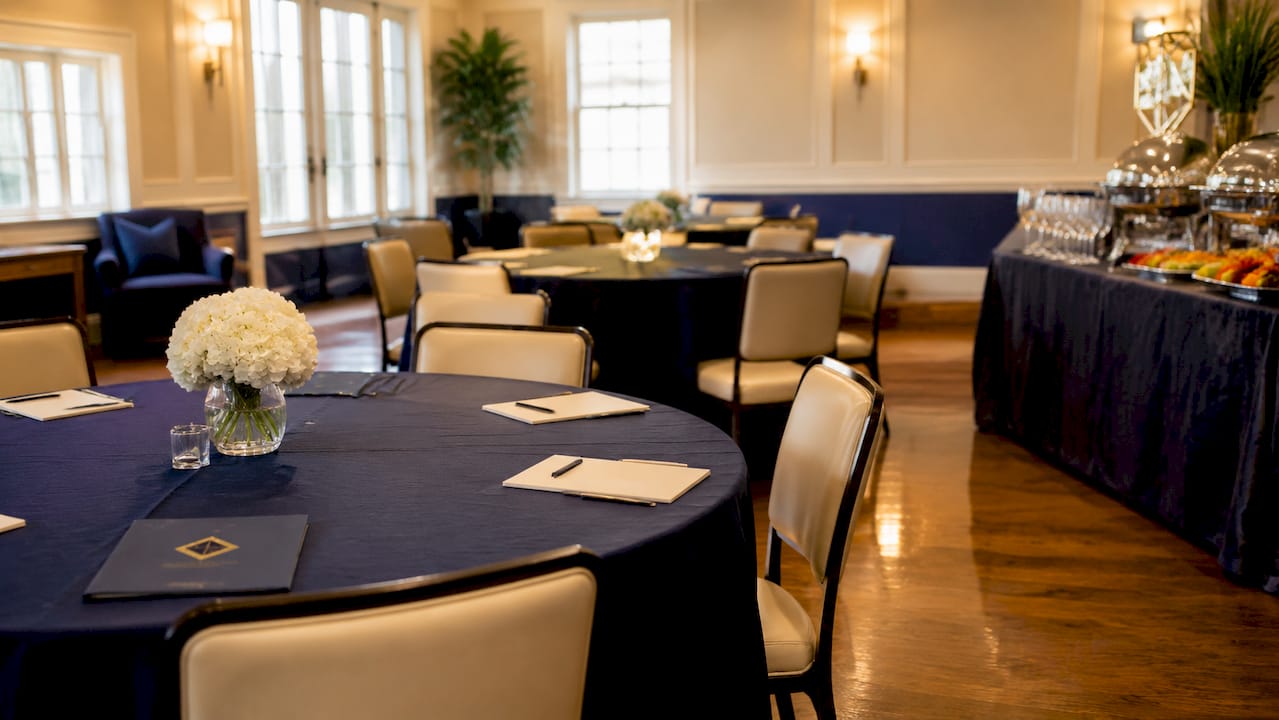
Multi-use floor plans let you configure the space for a seated dinner, a standing reception, a workshop, or a dance event. You move the furniture; the room adapts. This flexibility is especially valuable when your guest list or program changes close to the event date.
Functional features that matter most:
- Professional lighting rigs: Adjustable lighting sets the mood for ceremonies, presentations, or parties.
- Sound systems and acoustic panels: Class A acoustic panels absorb over 90% of sound, improving speech clarity and musical performance.
- Wi-Fi and AV connectivity: Supports hybrid events, presentations, and live streaming.
- Commercial kitchen access: Allows on-site food preparation, reducing catering logistics.
Pro Tip: Visit the hall during a time of day similar to your event. Test the microphone, check the lighting at that hour, and listen for echo. Acoustic problems that seem minor during a quiet walkthrough become major issues when 150 guests are talking at once.
3. How community halls promote social connection and local engagement
Community halls do more than provide square footage. Experts highlight halls as engines for local micro-economy and social connection beyond their physical structure. That distinction matters when you are choosing a venue that reflects your values or your organization's mission.
A community hall serves as neutral ground. People from different backgrounds, age groups, and interests gather in the same space without the commercial pressure of a hotel ballroom or restaurant. That neutrality builds trust and a sense of shared ownership among attendees.
"Community halls are vital for local trust and social well-being, fostering face-to-face connections that digital platforms cannot replicate. They are not just buildings. They are the infrastructure of community life." — Action Hampshire, Village Halls Week 2026
Events with active participation attract more attendees and higher satisfaction than passive formats. Community halls naturally support participatory programming because their layouts encourage movement, conversation, and interaction rather than passive observation. Workshops, cultural celebrations, volunteer meetups, and neighborhood forums all thrive in this environment.
4. What practical considerations matter when choosing a community hall?
Venue atmosphere and technical fit must align with your event goals and audience expectations. A mismatch in lighting, furniture, or sound can undermine the event even if the venue is affordable and accessible. Planners who skip this step often regret it.
Accessibility is non-negotiable. Check for ADA-compliant entrances, adequate parking, and proximity to public transit. A beautiful hall that guests cannot easily reach will hurt attendance and mood before the event even starts.
Watch for these practical factors:
- Hidden fees: Ask about staffing, setup, teardown, and cleaning charges not listed in the base rate.
- Technology testing: Run a full AV check at least one week before the event, not the morning of.
- Parking and transport: Confirm the number of spaces and whether overflow parking is available nearby.
- Booking restrictions: Some halls have noise curfews, alcohol policies, or décor limitations that affect your program.
Pro Tip: Build a reusable venue checklist that covers acoustics, parking, included amenities, vendor policies, and hidden fees. Use it for every booking. The time you invest in building it once saves hours of back-and-forth on every future event.
Ambassadorclubportsmouth addresses most of these concerns directly. The club's wedding event planning guide walks planners through the booking process step by step, covering everything from layout options to catering coordination.
5. How community halls compare to other local venue options in 2026
Understanding where community halls fit in the broader venue market helps planners make faster, more confident decisions. The comparison below uses generic venue categories rather than brand names, because the differences are structural, not brand-specific.
| Feature | Community halls | Commercial banquet venues | Hotel ballrooms |
|---|---|---|---|
| Rental cost | Low to moderate | Moderate to high | High |
| External vendor policy | Usually permitted | Often restricted | Rarely permitted |
| Included amenities | Kitchen, furniture, AV | Varies, often extra cost | Varies, often extra cost |
| Social and community value | High | Low | Low |
| Historic character | Often present | Rarely | Rarely |
| Flexibility of layout | High | Moderate | Low |
Refurbished community halls now attract younger demographics and a diverse range of event types beyond traditional uses. That shift means the gap between community halls and commercial venues is narrowing on the amenities side, while the cost advantage of community halls remains intact.
The ideal scenario for a community hall: you are planning a wedding, milestone birthday, family reunion, or nonprofit fundraiser where budget control, vendor flexibility, and a warm atmosphere matter more than a hotel brand name on the invitation. For planners in the Hampton Roads area, the Hampton Roads venue guide offers a detailed breakdown of local options across all venue categories.
6. The historic character advantage most planners overlook
Historic character in community halls reduces decoration costs and enhances guest experience, serving as a practical asset for event planners. This is one of the least discussed benefits of community halls, and one of the most valuable.
When a hall has original architectural details, wood floors, or period features, the space does decorative work for you. You spend less on centerpieces, draping, and lighting effects because the room already has visual interest. Guests notice the atmosphere without knowing exactly why it feels different from a generic hotel conference room.
Ambassadorclubportsmouth has operated since 1933 and carries that history in its bones. The club's aesthetic reduces the decoration burden for planners while giving events a sense of occasion that newer venues cannot manufacture. For families planning a quinceañera or anniversary celebration, that built-in character is a genuine advantage.
7. Why community halls support better event outcomes for families and groups
Experienced planners look beyond listing prices and always review vendor policies, technical infrastructure, and hidden fees to avoid surprises. The families and groups who get the most value from community halls are the ones who treat the booking process as a partnership, not a transaction.
Community halls are designed to serve the people who use them, not to maximize revenue per square foot. That orientation shows up in staff responsiveness, flexible scheduling, and a willingness to accommodate special requests. You are more likely to get a "yes" to a custom setup or an extended load-in window at a community hall than at a commercial venue with a rigid event timeline.
For family gatherings specifically, the combination of a large open floor plan, a working kitchen, and an affordable rate creates conditions where the event can breathe. Guests mingle instead of sitting in assigned seats. Kids have room to move. The benefits for family gatherings are well documented: more space and flexibility produce more relaxed, memorable events.
Key Takeaways
Community event halls deliver the strongest return on your event budget when you combine their low rental costs, vendor flexibility, and built-in amenities with a clear checklist of practical requirements before you book.
| Point | Details |
|---|---|
| Cost savings are structural | External vendor policies and included amenities cut total event costs by 20% or more. |
| Acoustics determine event quality | Test sound and check for acoustic panels before committing to any hall. |
| Historic character reduces décor spend | Halls with original architectural features lower decoration costs and improve atmosphere. |
| Social value is a real differentiator | Community halls build trust and engagement that commercial venues cannot replicate. |
| Checklist-driven booking prevents surprises | Review hidden fees, vendor policies, and technical infrastructure before signing any contract. |
Why I think community halls are underrated in 2026
The conventional wisdom in event planning still pushes people toward hotel ballrooms and commercial banquet venues as the default "serious" choice. I disagree with that framing, and I have for years.
Community halls have quietly upgraded their infrastructure. Sound systems, lighting rigs, Wi-Fi, and commercial kitchens are now standard in well-maintained halls. The gap that once existed between a community hall and a commercial venue on the amenities side has largely closed. What has not changed is the price gap, and that gap still runs deep.
The social dimension is the part that gets ignored most often in planning conversations. A community hall carries a different energy than a hotel ballroom. Guests feel it. The space signals that the event is about the people in the room, not about impressing anyone with a brand name venue. That is a harder thing to quantify than a line item on a budget sheet, but it is real.
My honest recommendation: treat community halls as your first option, not your fallback. Visit the space, test the acoustics, ask every question on your checklist, and then decide. Most planners who do this end up booking the hall and wondering why they waited so long to consider it.
— MARTIN
Ambassadorclubportsmouth: elegant community event space in Portsmouth, VA
Ambassadorclubportsmouth has served the Hampton Roads area since 1933, offering a 6,000 sq ft hall with a full commercial kitchen, flexible catering options, and capacity for up to 200 guests. The club's historic character does decorative work that newer venues cannot match, and its pricing keeps your event budget where it belongs.
Whether you are planning a wedding, a corporate reception, a birthday celebration, or a family reunion, Ambassadorclubportsmouth delivers the amenities and atmosphere of a premium venue at community hall rates. The club's comprehensive packages cover setup, service, and coordination so you spend your energy on the event, not the logistics. Reserve your event space and see why families and businesses in Portsmouth have trusted this venue for nearly a century.
FAQ
What makes community event halls more affordable than commercial venues?
Community halls include amenities like kitchens, furniture, and AV equipment in the base rental fee and typically permit external vendors. Venues that allow outside catering and décor save planners 20% or more in total event cost.
How do I know if a community hall has good acoustics?
Visit the hall and test the microphone during a quiet period. Look for sound-absorbing panels on the walls and ceiling. Class A acoustic panels absorb over 90% of sound and are a reliable indicator of a hall that takes audio quality seriously.
What types of events work best in community halls?
Community halls suit weddings, birthday parties, family reunions, corporate meetings, workshops, and nonprofit fundraisers. Their flexible layouts and vendor-friendly policies make them practical for almost any event format.
Are there hidden costs I should watch for when renting a community hall?
Yes. Ask specifically about staffing fees, setup and teardown charges, cleaning deposits, and any restrictions on décor or alcohol. Reviewing these details before signing a contract prevents budget surprises on event day.
How does Ambassadorclubportsmouth compare to a typical community hall?
Ambassadorclubportsmouth combines the affordability and flexibility of a community hall with the atmosphere of a historic venue. The club offers a 6,000 sq ft space, a commercial kitchen, and packages for up to 200 guests, making it one of the most complete community event spaces in the Hampton Roads area.