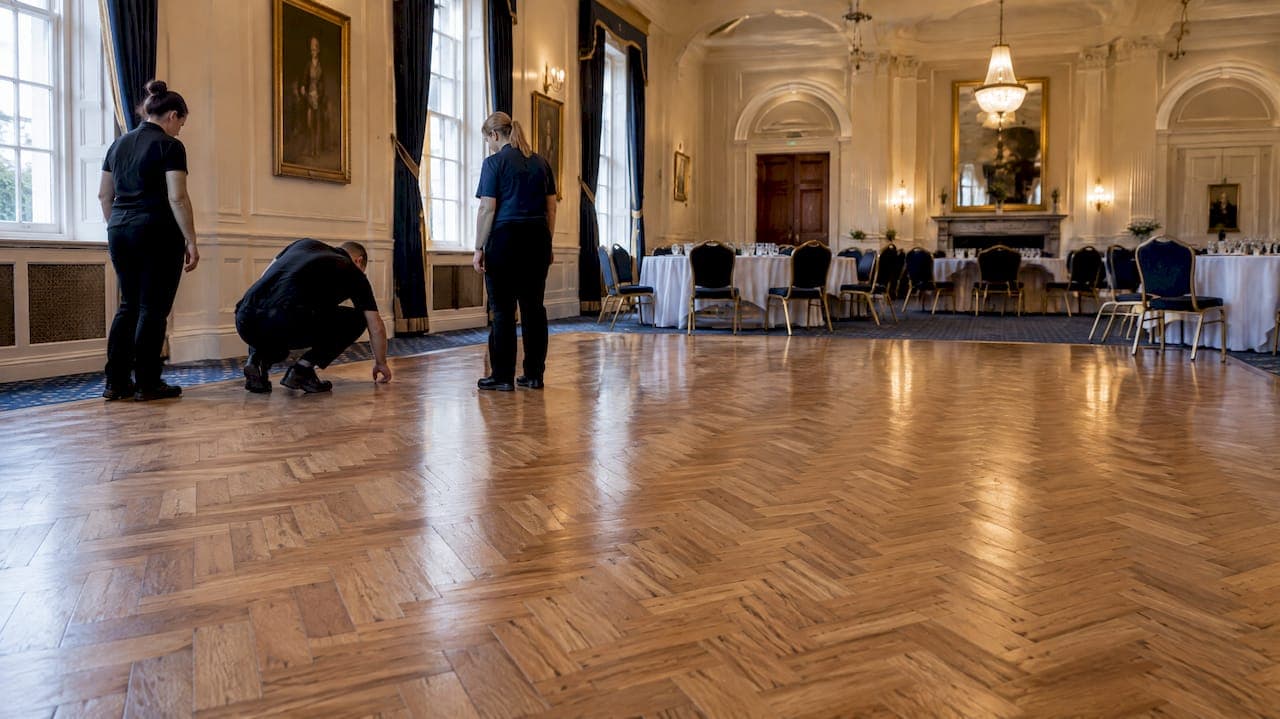
The main physical dance floor types are parquet or wood, Marley vinyl, modular tiles and roll-out panels, sprung subfloors, and LED or checkered surfaces. The single rule that cuts through most decisions: pick based on guest comfort and the dances you expect first, then let aesthetics and budget settle the rest.
TL;DR:
- The choice of dance floor type should prioritize guest comfort and dance style, with Marley vinyl and sprung floors favored for performance and high-energy events.
- A 20 by 20 foot (400 square foot) dance floor suits around 80 to 120 guests, but larger sizes are necessary for heavily dancing crowds or large receptions.
- Modular tiles and roll-out floors offer flexible designs and easy setup, but visible seams may occur if not carefully installed.
- Indoor venues with built-in floors are often more straightforward, while outdoor setups require waterproofing, cover, and careful planning of power access and installation.
- Maintaining safety involves discouraging street shoes with heavy treads on vinyl or wood and using transition ramps to prevent trips, especially on shock-absorbing sprung floors.
Table of Contents
- 1. Common dance floor types and what sets them apart
- 2. How to size a dance floor for your guest count
- 3. Matching the floor to your dance styles and event goals
- 4. What to confirm before installation day
- 5. Safety, maintenance, and basic floorcraft
- 6. What venues actually weigh when choosing a floor
- Book a hall that already has the dance floor sorted
- Manuals and guides worth bookmarking
- Sources
- FAQ
1. Common dance floor types and what sets them apart
Most rental catalogs and venue inventories fall into a handful of recognizable categories, each with a distinct look and a different set of tradeoffs for planners.
Parquet or wood floors are the classic choice for formal events. The herringbone or checkerboard pattern reads as timeless in photos, and the surface holds up well under heavy foot traffic. The tradeoff is weight and cost: solid wood panels are heavier to transport and can show wear at the seams over repeated use.
Marley vinyl is the surface professional dancers train on. It offers consistent slip resistance and a smoother glide than wood, which is why material differences affect traction and shock absorption depending on event priorities. It is the better pick for high-energy or performance-heavy nights, though it scuffs more visibly than wood and needs regular cleaning to stay grippy.
Modular tiles and roll-out floors, including checkered patterns, are the rental workhorses. They pack flat, ship easily, and come in enough colors and finishes to match nearly any theme. Seams are visible unless the installer staggers the layout carefully, but for most weddings and parties that is a minor cosmetic tradeoff against the convenience.
LED or light-up floors deliver the biggest visual payoff. They turn a dance floor into a centerpiece, but they come with real logistical weight: power runs, control systems, and lead time that a parquet rental never demands.
Sprung floors sit underneath a Marley or vinyl top layer and absorb shock through engineered panels rather than a solid slab. They matter most when dancing is the main event rather than a side activity.
- Parquet and wood: best for formal, photo-forward events; heavier to move and prone to seam wear.
- Marley vinyl: best for performance and high-energy dancing; needs regular surface care.
- Modular tiles and roll-out: best for rental flexibility and custom colors; visible seams if poorly laid.
- LED and checkered: best for visual impact; requires power and planning lead time.
- Sprung floors: best for dance-heavy events; adds cost and installation complexity.
2. How to size a dance floor for your guest count
Sizing is where most planners either overspend or leave guests stuck waiting for floor space. A workable baseline is 9 square feet per dancer, rising to 11 to 12 square feet per dancer for traveling partner styles like ballroom and waltz, which need room to move across the floor rather than stay in one spot.
Translate that into common rental footprints:
- About 15 by 15 feet (around 225 square feet): suitable for intimate gatherings with a modest number of dancers at a time.
- 20 by 20 feet (400 square feet): a frequent wedding starting point, handling around 80 to 120 guests depending on how many dance at once.
- About 24 by 24 feet (roughly 576 square feet) and larger: for events with many guests or crowds that dance heavily.
- 30 by 30 feet: large receptions or events built around dancing as the main activity.
Square floors generally outperform narrow rectangles because they give traveling dances a full lane in every direction instead of forcing everyone into a single straight path. For rooms that cannot fit a square footprint, a split floor, one zone near the band or DJ and a smaller overflow area, can work, though it fragments the crowd and complicates sightlines for photographers.
Venue-specific numbers matter more than generic rules, so a detailed dance floor sizing guide is worth checking against your actual guest count before booking.

3. Matching the floor to your dance styles and event goals
The right surface depends less on taste and more on what people will actually do on it.
- Traveling partner dances like waltz and foxtrot need room to cover ground, so a larger parquet or sprung floor with a smooth, consistent surface works best.
- Salsa, swing, and other spot dances rely on quick turns and traction, which makes Marley or smooth vinyl the stronger choice over textured wood.
- Freestyle dancing at a wedding reception is forgiving of surface type, so modular tiles or roll-out floors offer the best value without sacrificing guest comfort.
- Line dancing and choreographed group numbers need a stable, consistent surface more than extra square footage, since dancers hold tighter formations and need less personal space than partner dancing.
- When the event is built around a visual theme night, an LED or checkered floor earns its complexity; when dancing itself is the priority, sprung or Marley surfaces matter more than the light show.
4. What to confirm before installation day
Logistics decide whether a beautiful floor becomes a smooth setup or a last-minute scramble.
- Modular panels and sprung systems should follow the manufacturer's layout pattern. The ErgoDance installation manual specifies a brickwork panel pattern, cam locks at each seam, and a 1/4 inch expansion gap at the walls to keep the floor stable.
- Outdoor installations need covering and waterproofing. Even water-resistant LED panels can be damaged by rain, so electronic floors should never sit exposed under an open tent flap.
- LED floors need confirmed power access, a DMX or SD control system, and enough lead time for shipping, since some kits carry multi-week turnaround.
- Ask vendors directly about setup and teardown windows, ramp or transition pieces at the floor's edge, and who covers damage if weather or guests cause problems.
Pro Tip: Walk the installation path with your vendor before the event, not the morning of. A floor that fits the room on paper can still hit a doorway, a step, or an outlet in the wrong place.
5. Safety, maintenance, and basic floorcraft
A good floor still needs good habits on top of it. Slip resistance depends on both the surface and footwear, so discourage street shoes with heavy treads on vinyl or wood. Sprung floors matter most for injury prevention when dancing runs for hours, since the engineered panels and elastomer pads absorb shock that a flat surface sends straight into knees and ankles.
- Use transition ramps at every edge to prevent trips where the floor meets carpet or tile.
- Keep a counterclockwise line of dance for traveling styles so couples do not collide head on.
- Discourage dangerous lifts or wide swings on crowded social floors.
- Floorcraft often matters more than the material itself for preventing collisions at mixed-skill events.
6. What venues actually weigh when choosing a floor
Operators balance durability against storage space and setup time. A permanent parquet floor saves labor on every event but limits flexibility for theme nights that call for LED or checkered looks. Many venues rent specialty floors occasionally rather than stocking every style, which keeps costs down without boxing out creative requests. Planners who raise their specific guest count and dance styles early with venue staff usually get a better-matched recommendation than one built on general rules alone.
— MARTIN
Book a hall that already has the dance floor sorted
Event venues in Portsmouth, VA may offer a large historic hall with a built-in dance floor, a commercial kitchen, and flexible catering options included to simplify planning. Such spaces can accommodate up to 200 guests, suitable for events ranging from intimate ceremonies to full receptions without the need for external dance floor vendors.

- Wedding receptions, corporate events, birthday parties, and anniversary celebrations all fit the same flexible hall.
- Some venues include setup, cleaning, and security services as part of the booking process, easing coordination for event planners.
- A $250 security deposit and $350 cleaning fee apply, along with security staffing at $65 per hour.
Visit the services page to see the full package list, or head to Ambassadorclubportsmouth to check availability for your date.
Manuals and guides worth bookmarking

For installation specifics, sizing math, or floor etiquette, these sources cover the detail this article draws from: the ErgoDance installation manual, the dance floor sizing guide, and the social dance etiquette guide.
Sources
- Dance etiquette: social dance rules for beginners — BallroomPages
- How big should a dance floor be? — FlooringInc blog
- 2025 ErgoDance installation manual — Gerriets / Vario ERGODANCE
- LED 3D Dance Floor - 24ft x 24ft — EventSupply product page
FAQ
What are the main types of dance floors?
The main categories are parquet or wood, Marley vinyl, modular tiles and roll-out panels, sprung subfloors, and LED or checkered floors. Each suits a different mix of budget, dance style, and visual goal, so matching the type to your guest count and planned activities matters more than picking the flashiest option.
What type of flooring is best for dancing?
There is no single best option. Marley vinyl is generally preferred for performance and high-energy dancing because of its consistent traction, while sprung floors add shock absorption for events where people dance for hours.
How much dance floor space do I need per guest?
A common baseline is 9 square feet per dancer, rising to 11 to 12 square feet for traveling partner dances like waltz. A 20 by 20 foot floor, or 400 square feet, is a frequent starting point for wedding receptions.
What are the 12 dance styles and does the floor type matter for all of them?
Definitions of a "12 dance styles" list vary by dance organization, so there is no single agreed set. What matters practically is the category: traveling partner dances need room and smooth glide, spot dances like salsa need traction, and group or line dances need a stable, consistent surface more than extra square footage.
Can I rent a dance floor for an outdoor event?
Yes, but outdoor rentals need covering and waterproofing, since even water-resistant panels can be damaged by rain. LED and electronic floors should never be left exposed to weather, and a tent or covered structure is standard practice for any outdoor installation.