
A reception hall is a purpose-built event venue designed to host social and formal gatherings, with integrated facilities for dining, entertainment, and guest logistics. Unlike a rented conference room or a backyard tent, a dedicated event space is built from the ground up to support a full event program, from guest arrival through dinner service to dancing. Weddings, corporate celebrations, quinceañeras, and milestone anniversaries are all standard uses. The term "reception hall" is often used interchangeably with "banquet hall," though subtle differences exist between the two. This guide breaks down every feature, cost factor, and selection criterion you need to make a confident venue decision.
What is a reception hall, exactly?
A reception hall is defined as an indoor or semi-outdoor venue purpose-built for events, equipped with tables, seating, staging, lighting, and catering infrastructure. The key word is "purpose-built." These spaces are not converted warehouses or borrowed hotel lobbies. They are designed around the specific flow of a social event, with zones for dining, entertainment, and movement built into the floor plan.
The most common events hosted in reception halls include weddings and receptions, corporate award dinners, graduation parties, fundraisers, and family reunions. Each of these events shares a common need: a space that can handle a large group, serve food and drinks, and support entertainment without requiring the host to source every element from scratch.
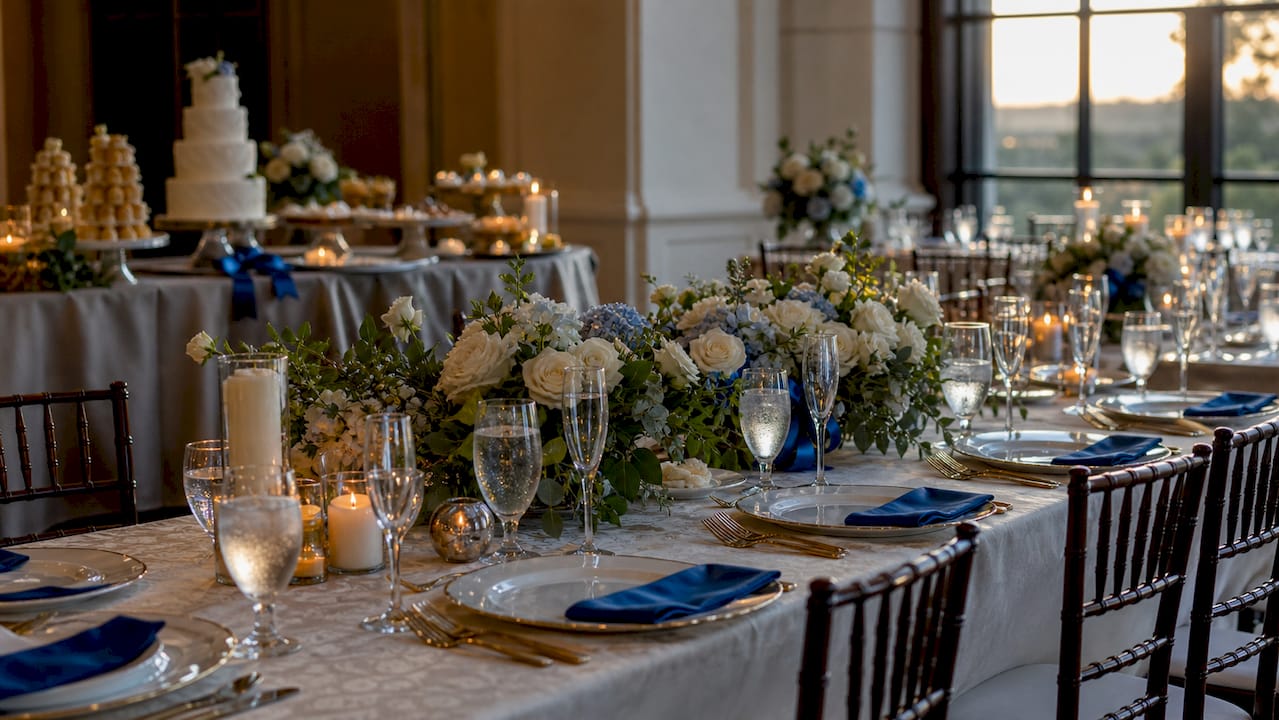
Reception halls differ from raw event spaces in one critical way. They come with infrastructure already in place. A raw space gives you four walls. A reception hall gives you a stage, a sound system, a commercial kitchen or catering prep area, and a floor plan that already accounts for guest flow. That built-in infrastructure is what justifies the rental cost and what separates a reception hall from simply renting a room.
What features does a reception hall include?
Reception hall features typically include tables, chairs, a stage or dance floor, audio-visual equipment, restrooms, accessible entrances, and catering support. The specific combination varies by venue tier and price point, but the following elements are standard across most professionally operated halls.
Core physical amenities
- Seating and tables: Round banquet tables, rectangular tables, and chairs are standard. Higher-end venues include linens and centerpiece staging.
- Stage or dance floor: Most reception halls include a dedicated performance or dance area. Size varies from a small parquet floor to a full elevated stage.
- Audio-visual equipment: Microphones, speakers, projectors, and screens are common. Quality varies significantly between venues.
- Catering support: This ranges from a full commercial kitchen to a prep-only area for outside caterers. In-house kitchen venues simplify food service considerably.
- Restrooms and accessibility: ADA-compliant restrooms and accessible entrances are standard in modern venues. Parking is typically on-site or nearby.
- Event coordination staff: Many halls include an on-site venue manager who oversees logistics on the day of the event.
Why acoustics and lighting matter more than you think
Audio-visual quality and room acoustics are critical to guest experience, often more so than décor or food presentation. A beautiful room with poor sound coverage creates a frustrating experience for guests trying to hear toasts or follow a program. Lighting sets the mood for every phase of the event, from a bright cocktail hour to a dimmed dinner service to colored dance floor lighting. When touring a venue, test the sound system at volume and ask specifically about speaker placement and acoustic treatment.
Pro Tip: Ask the venue manager to play music through the sound system during your tour. Walk to the far corners of the room and listen for dead zones or echo. What you hear during a quiet tour is not what you will hear with 150 guests in the room.
How does reception hall pricing work?
Rental tiers vary from bare site rental to venue-plus-services to all-inclusive packages, and that tier is the single strongest predictor of what you will pay and what you will get. Understanding the tier structure before you compare prices prevents the common mistake of comparing a bare rental to an all-inclusive quote as if they are the same product.
The three rental tiers
- Bare site rental: You pay for the space and a basic venue manager. Furniture, catering, décor, and all vendors are your responsibility to source and coordinate.
- Venue-plus-services: The venue provides furniture, setup, and coordination support. Catering and entertainment are still outside vendors.
- All-inclusive packages: The venue bundles catering, bar service, décor, and coordination into one contract. This simplifies planning but reduces flexibility.
What a typical rental contract includes
Most rental contracts include a set block of 5–8 event hours, setup and breakdown time, and an on-site venue manager. Common exclusions are catering, alcohol, photography, florals, and entertainment. Always read the exclusions list before signing.
How costs vary
| Factor | Lower Cost Scenario | Higher Cost Scenario |
|---|---|---|
| Day of week | Sunday or Friday | Saturday evening |
| Season | January or February | May through October |
| Rental tier | Bare site | All-inclusive |
| Guest count | Under 100 guests | 150–200 guests |
| Food & beverage minimum | None required | $15,500–$22,000 required |
Saturday evening rental fees can range from $1,500 in the off-season to $7,000 at peak, with food and beverage minimums adding $15,500 to $22,000 on top of that at full-service venues. Those numbers reflect a premium market, but they illustrate the scale of cost variation that tier and timing create.
Pro Tip: Book a Friday evening or Sunday afternoon if your date is flexible. You will often get the same hall, the same staff, and the same experience at 30–40% less than a Saturday rate.
Reception hall vs. banquet hall vs. wedding venue
Reception halls, banquet halls, and wedding venues overlap in function but differ in emphasis, formality, and scope. Knowing the distinction helps you search more precisely and ask better questions during venue tours.
A banquet hall traditionally emphasizes formal seated dining. The layout prioritizes table service, and the room is typically configured for a structured meal program. A reception hall is broader in scope. It supports socializing, dining, dancing, and entertainment as equal priorities, which means the floor plan is more flexible.
A wedding venue is the widest category. It may include both a ceremony space and a reception hall under one roof, or it may be a dedicated reception-only facility. Some wedding venue with lodging options add overnight accommodations, which changes the entire guest experience and logistics picture.
| Venue Type | Primary Use | Ceremony Space | Catering Style | Flexibility |
|---|---|---|---|---|
| Reception Hall | Social events, dining, dancing | Rarely included | In-house or outside | High |
| Banquet Hall | Formal seated dining | Rarely included | Usually in-house | Moderate |
| Wedding Venue | Weddings, full event programs | Often included | Varies widely | High to very high |
The practical takeaway: if you need a ceremony space and a reception space in one location, search for wedding venues. If you need a flexible space for a reception, dinner, or celebration without a ceremony, a reception hall or banquet hall will serve you better and often at a lower cost.
How do you choose the right reception hall?
Choosing a reception hall starts with four non-negotiable criteria: capacity, catering setup, audio-visual capability, and accessibility. Everything else, including décor and ambiance, is secondary to these functional requirements.
Capacity and floor plan
Venue capacity should be evaluated for comfortable guest movement, not just maximum occupancy. A hall rated for 200 guests at maximum standing capacity may feel cramped with 150 guests seated at round tables with a dance floor. Ask the venue to show you a floor plan at your specific guest count with your preferred layout. The difference between a dance floor and extra tables changes the entire room dynamic.
Catering logistics
In-house kitchen venues simplify food service because the kitchen is designed for the space, the staff knows the flow, and timing is controlled. Outside catering requires careful coordination for delivery timing, temperature control, and kitchen access. If the venue does not have a commercial kitchen, ask specifically what prep facilities are available and whether outside caterers have worked there before.
Questions to ask during a venue tour
- What is the exact square footage of the event space?
- Does the rental include furniture, or is that a separate cost?
- What audio-visual equipment is included, and what requires an upgrade?
- Is there a preferred vendor list, or can you bring outside vendors?
- What is the parking situation for 150+ guests?
- What is the noise ordinance or sound cutoff time?
- Is there a bridal suite, green room, or prep space for the event host?
Accessibility matters beyond ADA compliance. Consider whether elderly guests or guests with mobility limitations can navigate the entrance, parking lot, and restrooms without difficulty. A venue that works beautifully for a 30-year-old crowd may create real problems for a multi-generational family event.
Pro Tip: Visit the venue on a day when another event is being set up. You will see the actual furniture, the real lighting, and how the staff operates under pressure. A venue that looks great in photos but runs chaotically during setup is a warning sign.
Key takeaways
A reception hall is a purpose-built event venue, and choosing the right one requires evaluating rental tier, capacity layout, catering infrastructure, and audio-visual quality before comparing prices.
| Point | Details |
|---|---|
| Reception hall definition | A purpose-built venue with integrated dining, entertainment, and guest logistics infrastructure. |
| Rental tier determines value | Bare, venue-plus-services, and all-inclusive tiers predict inclusions and planning complexity. |
| Capacity means comfort | Evaluate floor plan at your guest count with your layout, not just maximum occupancy numbers. |
| Acoustics and AV are critical | Sound quality and speaker placement affect guest experience more than most hosts anticipate. |
| Timing drives cost | Saturday peak-season rates can be four times higher than off-peak Friday or Sunday pricing. |
What most people get wrong about reception halls
People treat reception halls as interchangeable boxes where the only variables are price and location. That assumption costs them on the day of the event.
The technical infrastructure is where most events succeed or fail. I have seen beautifully decorated rooms turn into frustrating experiences because the sound system could not cover the far end of the hall, or because the kitchen was too small for the caterer to plate 150 dinners at the same time. These are not décor problems. They are infrastructure problems, and no amount of floral arrangements fixes them.
The rental tier difference is also widely misunderstood. Clients often compare a bare site quote to an all-inclusive quote and conclude the all-inclusive option is overpriced. They are not comparing the same product. A bare site rental at $2,000 can easily become a $12,000 event once you add furniture rentals, a caterer, a bar service, and a coordinator. The all-inclusive package at $8,000 may actually be the better value.
My honest advice: prioritize the kitchen and the sound system above everything else. You can rent better linens. You cannot fix bad acoustics with a bigger budget on the day of your event. Visit reception hall options that offer tiered packages and ask each venue to walk you through exactly what changes between tiers. The answer tells you everything about how that venue operates.
— MARTIN
Plan your next event at Ambassadorclubportsmouth
Ambassadorclubportsmouth has served the Hampton Roads area since 1933, offering a 6,000 sq ft historic hall in Portsmouth, VA, that accommodates up to 200 guests. The venue includes a full commercial kitchen, flexible catering options, and comprehensive event packages designed to reduce the coordination burden on hosts.

Whether you are planning a wedding reception, a corporate dinner, or a milestone celebration, Ambassadorclubportsmouth delivers historic elegance at competitive rates. The hall's built-in amenities cover the infrastructure requirements that matter most: kitchen capacity, audio-visual support, and event coordination. Explore event venue options at Ambassadorclubportsmouth and request availability for your date.
FAQ
What is the difference between a reception hall and a banquet hall?
A reception hall supports socializing, dining, and dancing as equal priorities, while a banquet hall traditionally emphasizes formal seated dining. The floor plan and service style differ, though many venues use both terms interchangeably.
How many hours does a typical reception hall rental include?
Most rental contracts include 5–8 event hours plus setup and breakdown time. Always confirm whether setup and breakdown are counted within or outside your event hours.
What should i look for in a reception venue?
Evaluate capacity at your specific guest count and layout, catering infrastructure, audio-visual quality, and accessibility. Room acoustics and AV affect guest experience more than most hosts expect.
Does a reception hall include catering?
It depends on the rental tier. All-inclusive venues bundle catering into the contract. Venue-plus-services and bare site rentals require you to source an outside caterer. Always confirm what kitchen facilities are available for outside vendors.
How much does it cost to rent a reception hall?
Costs vary widely by season, day of week, and rental tier. Saturday evening fees at full-service venues can range from $1,500 in the off-season to $7,000 at peak, with food and beverage minimums adding significantly to the total.