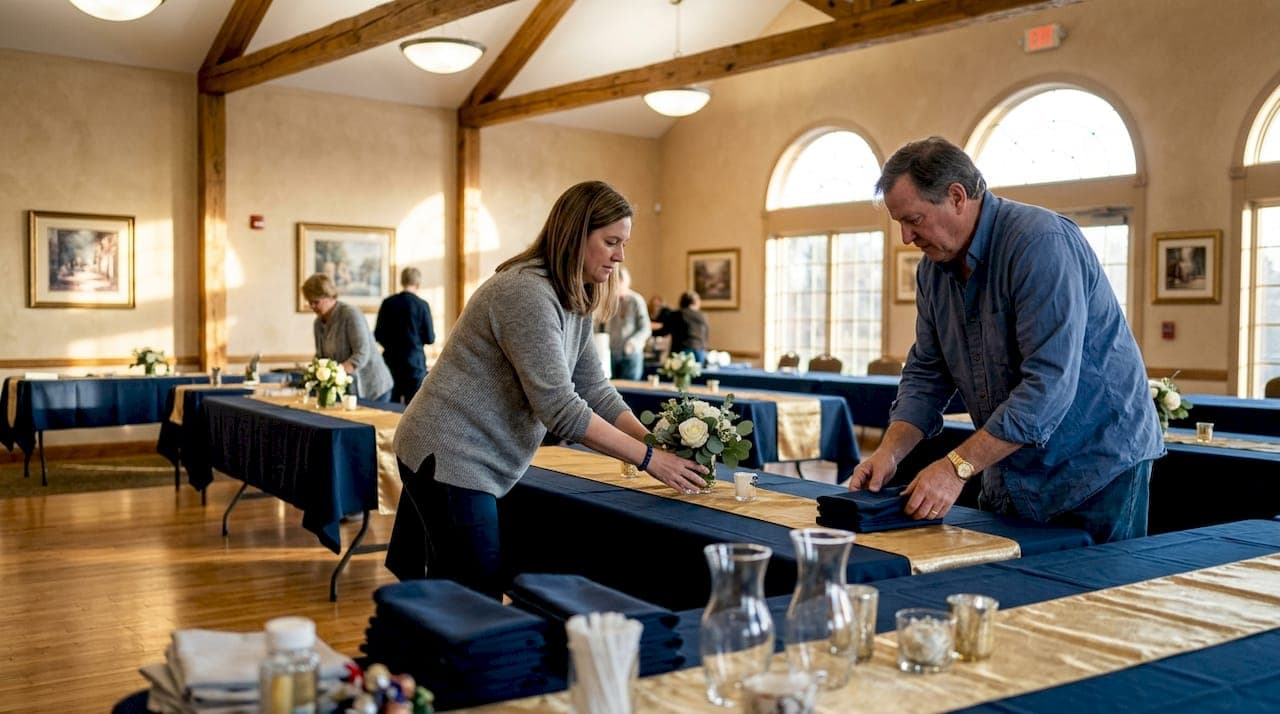
A community event hall is a dedicated indoor venue designed to host a wide range of gatherings, from weddings and birthday parties to corporate meetings and cultural celebrations. These spaces are built around flexibility. They offer large, open floor plans, basic amenities like tables and chairs, and kitchen access, giving you the freedom to shape the event around your vision and budget. If you have been searching for an affordable alternative to hotel ballrooms or full-service banquet halls, understanding what is a community event hall will help you make a smarter, more confident booking decision.
What is a community event hall and what makes it unique?
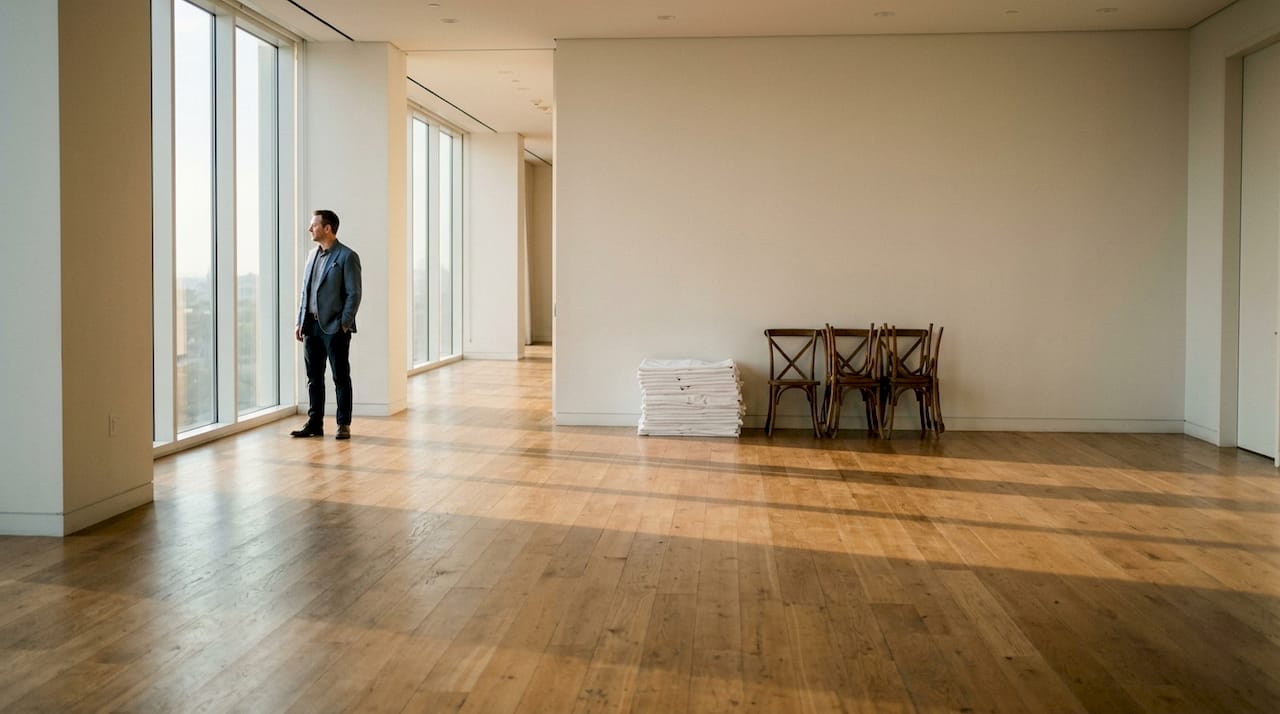
A community event hall is a dedicated indoor space designed with a large, open, and versatile floor plan to accommodate multiple seating styles for various events. The defining feature is adaptability. The same room that hosts a 100-person wedding reception on Saturday can be rearranged into a corporate training setup on Monday.
These halls typically feature neutral interiors that serve as a blank canvas. You bring in your own decorations, linens, and personal touches to match the occasion. That simplicity is a strength, not a limitation.
Core amenities you can expect
Most community gathering locations include a standard set of amenities. Tables and chairs are almost always provided. Many halls offer access to a commercial or prep kitchen, a stage or raised platform, basic lighting, restrooms, and a sound system. Parking is usually available on-site or nearby.
The specific inventory varies by facility. Always request a written list of what is included before you sign anything.
Seating layouts and capacity planning
Space planning is one of the most practical skills you need when booking any event hall. Space planning standards specify approximately 8 sq ft per guest for cocktail receptions, 12–15 sq ft per guest for seated dinners, and 6–8 sq ft per guest for theater-style seating. Those numbers mean a 60-person seated dinner requires roughly 800 sq ft before you add space for a dance floor, bar, or buffet station.
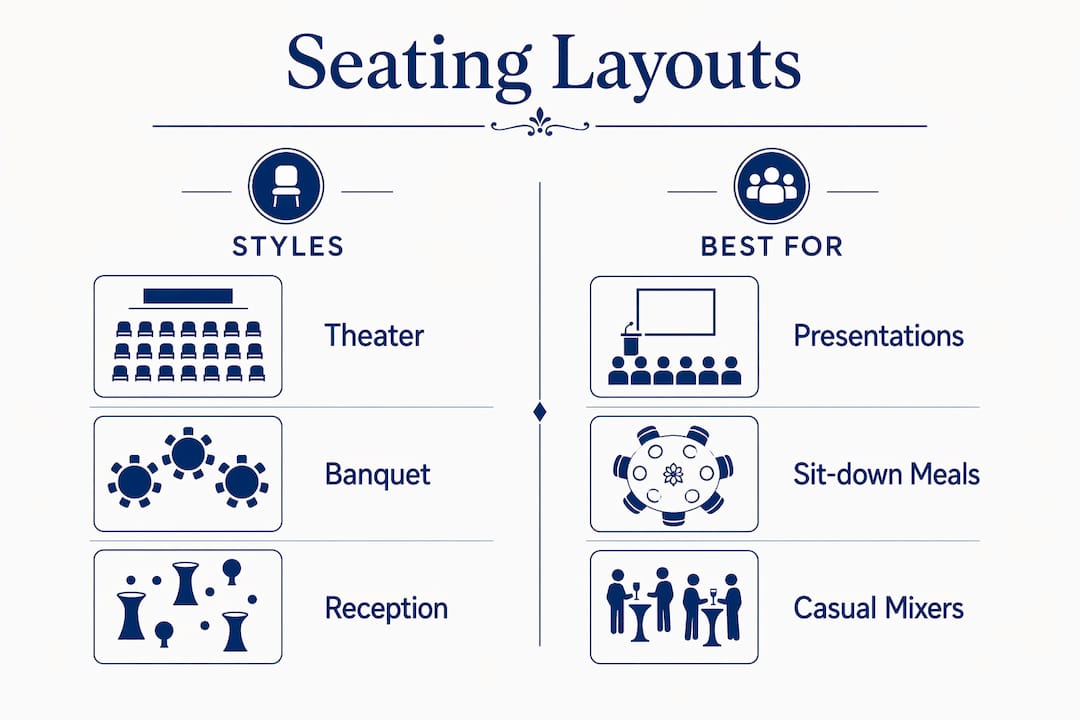
| Seating Style | Space Per Guest | Best For |
|---|---|---|
| Theater style | 6–8 sq ft | Presentations, ceremonies |
| Cocktail reception | 8 sq ft | Networking, casual gatherings |
| Seated banquet dinner | 12–15 sq ft | Weddings, formal dinners |
| Classroom style | 15–18 sq ft | Training, workshops |
Pro Tip: Never book a hall based on its maximum listed capacity alone. A hall rated for 100 guests in row seating may only comfortably hold 40–50 guests for a seated dinner with a dance floor included.
How do community event halls compare to other event spaces?
The most important distinction between a community hall and other event spaces comes down to the service model. Community halls are generally "dry hire" venues, requiring renters to handle catering, audiovisual setup, and event coordination themselves. Full-service venues like hotel ballrooms or dedicated banquet halls bundle those services into the price.
That difference has real consequences for your planning effort and your budget.
Service model comparison
| Feature | Community Event Hall | Full-Service Venue |
|---|---|---|
| Catering | Renter arranges independently | Provided or required on-site |
| Decor setup | Renter's responsibility | Often included or available |
| AV equipment | Basic or bring your own | Typically included |
| On-site coordinator | Rarely provided | Usually included |
| Pricing model | Hourly or flat rate | Food and beverage minimums |
| Creative control | High | Limited by venue rules |
Full-service venues remove logistical stress, but they also remove flexibility. You often must use their preferred caterers, follow their setup timelines, and meet food-and-beverage minimums that can push total costs well above the base rental fee.
Community halls flip that equation. The flexibility of community event halls allows for significant savings and creative freedom, but demands more involvement from renters in setup and decor. You gain control. You also gain responsibility.
Who should choose a community hall?
Community venue options work best for renters who have a clear vision, a reliable vendor network, or a hands-on planning style. They are ideal for:
- Budget-conscious hosts who want to allocate money toward food, entertainment, or decor rather than venue overhead
- Groups with existing vendor relationships, such as a preferred caterer or DJ
- Events with a specific cultural or personal theme that a generic hotel ballroom cannot accommodate
- Organizations hosting recurring events who want predictable, low flat-rate pricing
Understanding the differences between event hall service models is the key to managing costs and responsibilities effectively. Choosing the wrong venue type for your planning capacity is one of the most common and avoidable mistakes renters make.
What does it cost to rent a community event hall?
Community event hall rental fees vary widely based on location, size, and whether you are a community member or a commercial user. Community-based bookings can cost as low as $25.50 per hour, while commercial users typically pay higher rates, such as $36.35 per hour. That tiered structure rewards local organizations and nonprofits with lower access costs.
Community halls typically charge low flat hourly or daily rates, whereas commercial venues sometimes use food-and-beverage minimum pricing, which can lead to higher total event costs. Knowing which model applies to your booking protects your budget from the start.
Hidden fees to watch for
The base rental rate is rarely the final number. Renters should watch for hidden costs like mandatory cleaning fees ranging from $100 to $400 and service charges of 15% to 25% of the total that may appear during contract signing. Those additions can inflate your actual cost by 15% to 30% above the advertised rate.
Common additional fees include:
- Cleaning fee: Charged when the renter does not restore the space to its original condition
- Security deposit: Refundable, but held until the venue inspects the space post-event
- Setup and breakdown time: Some halls charge for the hours you need to set up before and clean up after the event, not just the event hours themselves
- Parking or security staff: Required for larger events at some facilities
- Equipment rental: Projectors, microphones, or extra tables beyond the standard inventory
Pro Tip: Ask the venue manager for a complete written fee schedule before you commit. Request a sample contract and read every line. If a fee is not listed, ask directly whether it applies to your event type.
How to choose the right community event hall
Choosing the right venue comes down to matching the hall's physical and logistical profile to your specific event. Work through these steps before you book:
-
Calculate your real space needs. Use the space planning standards above. Add square footage for any dance floor, bar, or buffet station. Then compare that number to the hall's usable floor space, not its listed capacity.
-
Confirm available amenities. Ask for a written inventory of what is included: tables, chairs, kitchen access, AV equipment, and parking. Do not assume anything is available until you see it in writing.
-
Check accessibility. Verify that the venue meets ADA requirements if any guests have mobility needs. Confirm elevator access, accessible restrooms, and designated parking spaces.
-
Evaluate the location. Consider how easy it is for your guests to reach the venue. Proximity to hotels matters for out-of-town guests attending multi-day events. For tips on coordinating hospitality across multiple days, resources on planning multi-generational gatherings offer practical frameworks.
-
Ask about restrictions. Some halls prohibit outside alcohol, require licensed caterers, or limit event end times. Know the rules before you build your event program around assumptions.
-
Review the vendor policy. Confirm whether you can bring your own caterer, DJ, or florist. Some facilities maintain a preferred vendor list that narrows your options.
-
Clarify staffing expectations. Non-dedicated venues like community halls usually do not provide on-site staff for event day coordination. Plan to manage logistics yourself or hire a day-of coordinator.
Key takeaways
A community event hall gives you maximum flexibility and cost control, but only if you plan for the responsibilities that come with a self-managed venue.
| Point | Details |
|---|---|
| Core definition | A community event hall is a flexible indoor space designed for weddings, parties, and corporate events. |
| Space planning matters | Use 12–15 sq ft per guest for seated dinners and add extra room for dance floors or buffets. |
| Service model difference | Community halls are dry hire venues; you manage catering, AV, and setup independently. |
| Watch for hidden fees | Cleaning fees, service charges, and setup time can add 15%–30% to the base rental price. |
| Vet the venue thoroughly | Confirm amenities, restrictions, accessibility, and staffing expectations in writing before booking. |
What i have learned after years of watching events succeed and fail in community halls
The blank canvas appeal of a community event hall is real. I have seen hosts transform a plain rectangular room into something genuinely beautiful for a fraction of what a hotel ballroom would have cost. The creative freedom is not a consolation prize. For the right planner, it is the main attraction.
But I have also watched first-time renters walk into their event day completely unprepared for the physical and logistical weight of a self-managed venue. They underestimated setup time. They did not account for the hours needed to break down and clean after the event. They assumed the hall would have a working sound system and discovered a single Bluetooth speaker in a closet.
The most common mistake is treating the rental rate as the total cost. It never is. Cleaning fees, security deposits, and the cost of renting equipment you assumed was included can push a $400 booking into $700 territory before you have spent a dollar on food or decor.
My honest recommendation: visit the space in person before you commit. Walk the room at the same time of day your event will run. Check the lighting, the acoustics, the parking situation. Ask the venue manager every uncomfortable question about fees, restrictions, and what happens if something breaks. The venues that answer those questions clearly and confidently are the ones worth booking.
The community halls that work best for renters are the ones that are transparent about what they offer and what they do not. That transparency is worth more than any amenity on the list.
— MARTIN
A historic portsmouth venue worth considering
If you are planning a wedding, reception, corporate event, or community celebration in the Hampton Roads area, Ambassadorclubportsmouth offers a rare combination of historic character and practical flexibility.
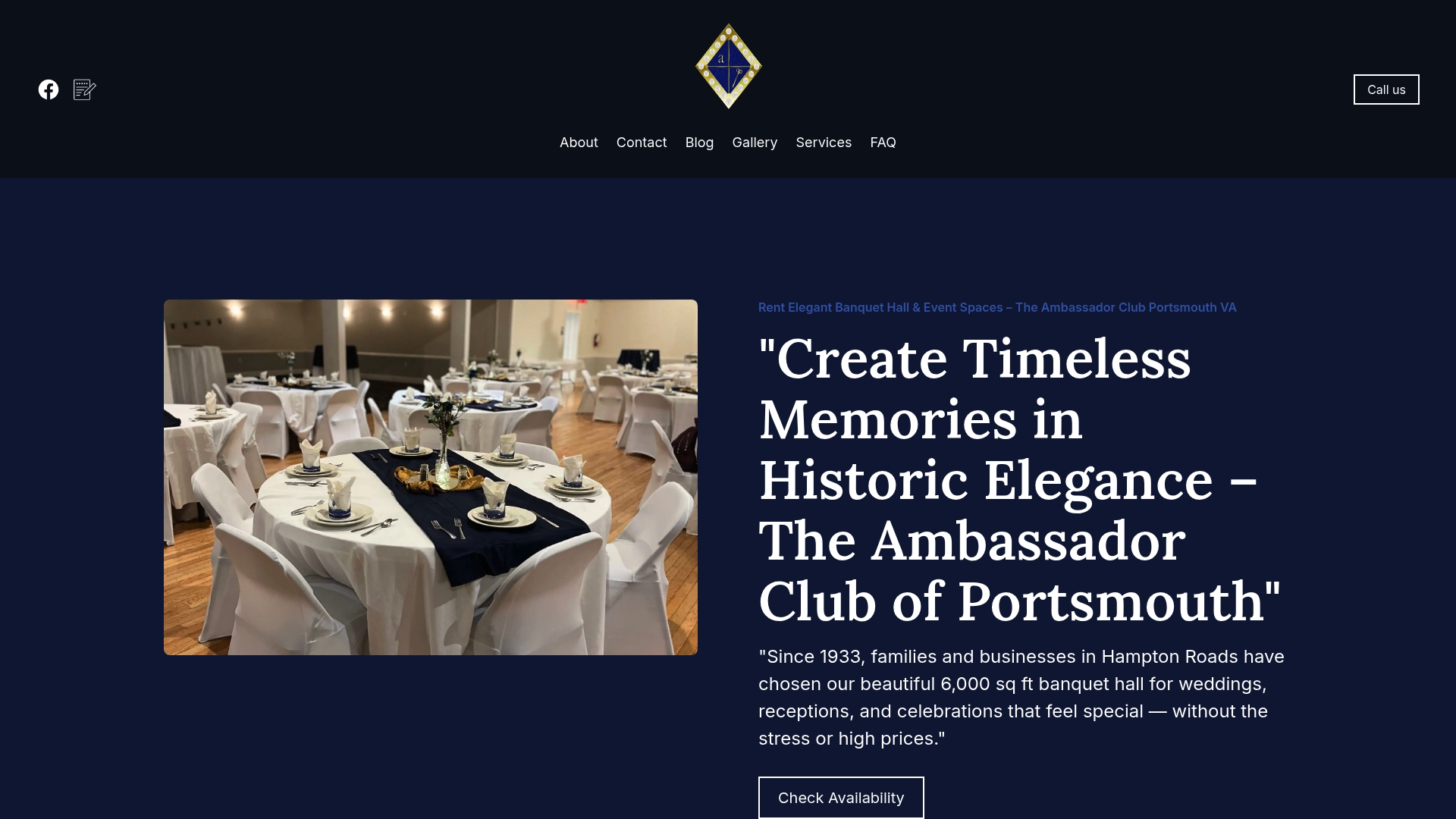
Ambassadorclubportsmouth has operated since 1933 and features a 6,000 sq ft hall that accommodates up to 200 guests. The venue includes a full commercial kitchen, flexible catering options, and comprehensive event packages at competitive rates. The space works equally well for formal seated dinners and casual receptions. For anyone weighing community venue options in Portsmouth, VA, explore rental availability at Ambassadorclubportsmouth to see current packages and pricing.
FAQ
What is a community event hall used for?
A community event hall is used for weddings, birthday parties, corporate meetings, cultural celebrations, and community gatherings. These venues offer flexible floor plans that support multiple event formats.
How much does it cost to rent a community event hall?
Rental rates vary by location and user type. Community-based bookings can start as low as $25.50 per hour, while commercial users typically pay higher rates. Always ask for a full fee schedule, since cleaning fees and service charges can add 15%–30% to the base price.
What is the difference between a community hall and a banquet hall?
A community hall is typically a dry hire venue where you manage catering, decor, and AV setup yourself. A banquet hall usually provides bundled services including catering staff and on-site coordination, often at a higher total cost.
How do i calculate the right hall size for my event?
Use 12–15 sq ft per guest for seated dinners, 8 sq ft for cocktail receptions, and 6–8 sq ft for theater-style seating. Add extra square footage for any dance floor, bar, or buffet station to get an accurate total space requirement.
Do community event halls provide staff on the day of the event?
Most community halls do not provide on-site staff for event day coordination. Renters are responsible for managing logistics themselves, which means hiring a day-of coordinator is worth considering for larger or more complex events.
Recommended
- Rent Elegant Spaces at The Ambassador Club, Portsmouth.
- The Ambassador Club of Portsmouth | The Ambassador Club of Portsmouth is a historic, community-focused civic and social organization proudly serving Portsmouth, Virginia, for over 70 years. Located at 364 Peninsula Avenue, the club is dedicated to strengthening the local community through meaningful public service, charitable contributions, and neighborly support—whether through donations, volunteer efforts, or direct aid to families, children, parents, and seniors in need. As a cornerstone of Portsmouth's social fabric, the Ambassador Club operates as a welcoming, member-driven group that fosters networking, fellowship, and positive impact. It also serves as a premier event venue, offering a beautifully renovated, spacious banquet hall of approximately 4,000 square feet (including over 3,000 square feet of dance floor), a full kitchen, stylish dry bar, large projection wall, and flexible meeting areas. The venue comfortably accommodates up to 200 guests seated or standing, making it an ideal, affordable, and elegant choice for: Weddings and receptions Holiday parties and family reunions Community dances and social gatherings Corporate trainings, meetings, and professional functions Banquets and other special celebrations With ample free parking and a reputation for exceptional value, the Ambassador Club combines timeless charm with modern amenities to create unforgettable experiences while continuing its legacy of giving back to the Portsmouth community.
- The Ambassador Club of Portsmouth | The Ambassador Club of Portsmouth is a historic, community-focused civic and social organization proudly serving Portsmouth, Virginia, for over 70 years. Located at 364 Peninsula Avenue, the club is dedicated to strengthening the local community through meaningful public service, charitable contributions, and neighborly support—whether through donations, volunteer efforts, or direct aid to families, children, parents, and seniors in need. As a cornerstone of Portsmouth's social fabric, the Ambassador Club operates as a welcoming, member-driven group that fosters networking, fellowship, and positive impact. It also serves as a premier event venue, offering a beautifully renovated, spacious banquet hall of approximately 4,000 square feet (including over 3,000 square feet of dance floor), a full kitchen, stylish dry bar, large projection wall, and flexible meeting areas. The venue comfortably accommodates up to 200 guests seated or standing, making it an ideal, affordable, and elegant choice for: Weddings and receptions Holiday parties and family reunions Community dances and social gatherings Corporate trainings, meetings, and professional functions Banquets and other special celebrations With ample free parking and a reputation for exceptional value, the Ambassador Club combines timeless charm with modern amenities to create unforgettable experiences while continuing its legacy of giving back to the Portsmouth community.
- The Ambassador Club of Portsmouth | The Ambassador Club of Portsmouth is a historic, community-focused civic and social organization proudly serving Portsmouth, Virginia, for over 70 years. Located at 364 Peninsula Avenue, the club is dedicated to strengthening the local community through meaningful public service, charitable contributions, and neighborly support—whether through donations, volunteer efforts, or direct aid to families, children, parents, and seniors in need. As a cornerstone of Portsmouth's social fabric, the Ambassador Club operates as a welcoming, member-driven group that fosters networking, fellowship, and positive impact. It also serves as a premier event venue, offering a beautifully renovated, spacious banquet hall of approximately 4,000 square feet (including over 3,000 square feet of dance floor), a full kitchen, stylish dry bar, large projection wall, and flexible meeting areas. The venue comfortably accommodates up to 200 guests seated or standing, making it an ideal, affordable, and elegant choice for: Weddings and receptions Holiday parties and family reunions Community dances and social gatherings Corporate trainings, meetings, and professional functions Banquets and other special celebrations With ample free parking and a reputation for exceptional value, the Ambassador Club combines timeless charm with modern amenities to create unforgettable experiences while continuing its legacy of giving back to the Portsmouth community.