
A business event venue is defined as a professional space designed specifically to support corporate objectives, equipped with infrastructure like high-speed Wi-Fi, AV technology, and on-site staff. Unlike a general banquet hall or wedding space, a corporate venue is built around function first. It supports the MICE model (Meetings, Incentives, Conferences, Exhibitions), meaning each space type serves a distinct business purpose. Ambassadorclubportsmouth, operating since 1933 in Portsmouth, VA, demonstrates how a venue can serve both elegance and corporate function within a single 6,000 sq ft hall accommodating up to 200 guests.
What is a business event venue and how does it differ from other spaces?
A business event venue is a dedicated facility where companies host professional gatherings, from board meetings to large corporate receptions. The defining factor is not size or decor. It is the infrastructure and service model built around corporate needs.
Corporate venues differ from standard banquet halls because they optimize layouts for engagement, not just volume or aesthetics. A workshop needs breakout zones. A networking event needs open flow. A conference needs sightlines and sound control. General event spaces rarely account for these requirements by default.
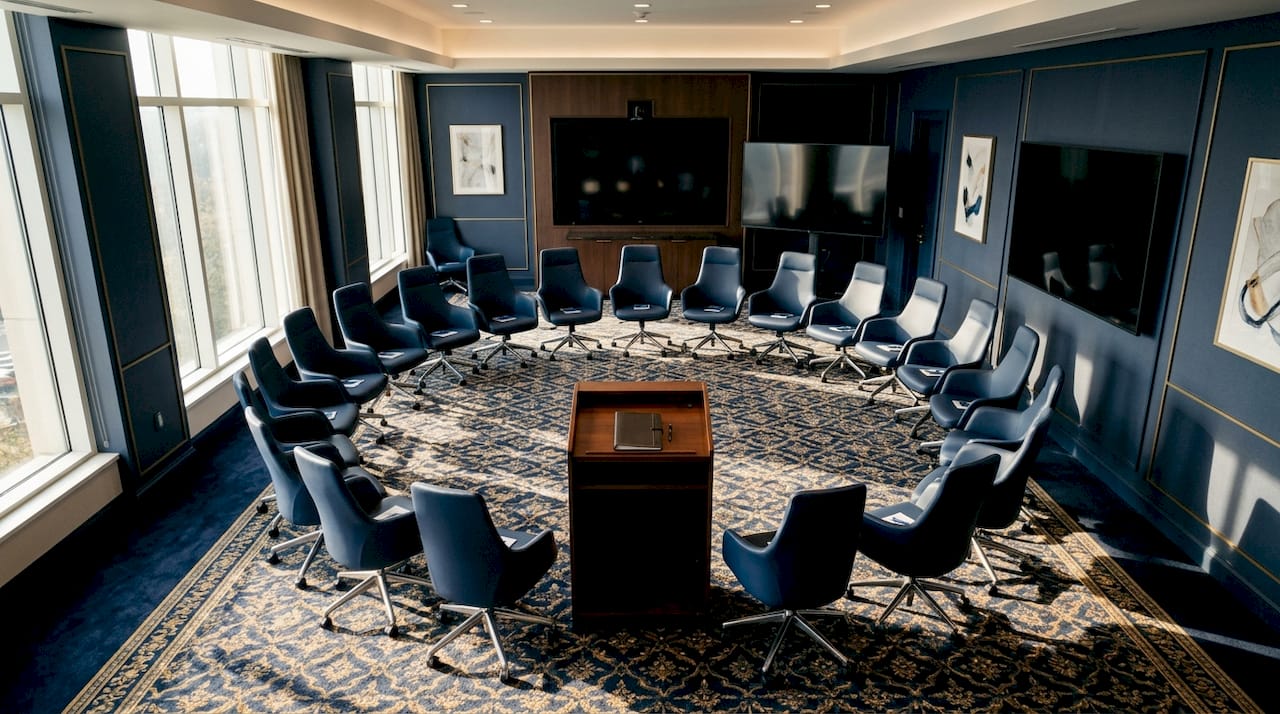
The MICE model is the industry standard for categorizing business events. Meetings are small, focused gatherings. Incentives are reward-based programs for employees or clients. Conferences are large, structured knowledge-sharing events. Exhibitions are product or service showcases. Each format demands a different room configuration, technology setup, and service level. A venue that cannot flex across these formats is not a true business event venue.
Pro Tip: Ask any venue you are evaluating whether they have hosted all four MICE event types. If they have only done dinners and receptions, their infrastructure may not support your corporate format.
What features and amenities distinguish a business event venue?
The right amenities separate a functional corporate venue from a room with chairs. Turnkey packages that include catering, furniture, and audiovisual support are the baseline expectation for professional venues in 2026.
The core features that define a business event venue include:
- High-speed Wi-Fi with multi-device capacity. Connectivity for 100 or more simultaneous devices is now a standard requirement, especially for hybrid events with remote participants.
- AV systems and hybrid streaming capability. Projectors, microphones, screens, and live-stream infrastructure are non-negotiable for conferences and presentations.
- Flexible room layouts. Boutique venues typically accommodate 40–50 guests in focused formats, while larger venues handle 150–200 guests with reconfigurable floor plans.
- On-site professional staff. Dedicated event coordinators, AV technicians, and catering teams reduce the burden on the organizer and prevent day-of failures.
- Central location and parking. Accessibility directly affects attendance. Location heavily influences attendance decisions for 47.2% of event attendees.
Venue aesthetics also play a measurable role in business events. A well-maintained, visually appealing space signals professionalism to clients and reinforces brand credibility. Ambassadorclubportsmouth's historic interior, for example, creates an atmosphere that elevates the perceived quality of any corporate gathering held there.
Pro Tip: Request a full technology walkthrough before signing any contract. Test the Wi-Fi load capacity and confirm the AV system is compatible with your presentation software.
Why comprehensive venue amenities matter for successful business events
Integrated amenities reduce planning complexity and directly affect event outcomes. Venues function as strategic growth engines that influence ROI and attendee satisfaction when they provide infrastructure that eliminates the need for multiple outside vendors.
The most impactful amenities for business events are:
- Full commercial kitchen and catering flexibility. On-site food service removes the coordination risk of third-party caterers who may not know the space.
- Furniture and staging included in packages. Sourcing tables, chairs, and staging separately adds cost and logistical complexity.
- Audiovisual support with technical staff. Equipment alone is not enough. A technician on-site prevents the presentation failures that derail professional events.
- Dedicated event planning support. Venues with knowledgeable staff who know the space, the vendors, and the logistics reduce the organizer's workload significantly.
Hidden costs are the most common budget trap in venue selection. Contracts often exclude service charges, staffing fees, and taxes from the headline rental price. A venue that quotes $2,000 for the space may deliver a final invoice of $3,400 once all fees are added. Always request a full cost breakdown in writing before signing.
Preferred vendor partnerships are another underrated amenity. Venues with approved vendor lists help planners avoid technical failures and delays that commonly arise when outside vendors are unfamiliar with the space's electrical layout, loading access, or kitchen setup.
Pro Tip: Ask the venue for a line-item quote that includes every possible fee. Compare this total, not the base rental rate, when you evaluate event venue options side by side.
How to select the right venue for business meetings and events
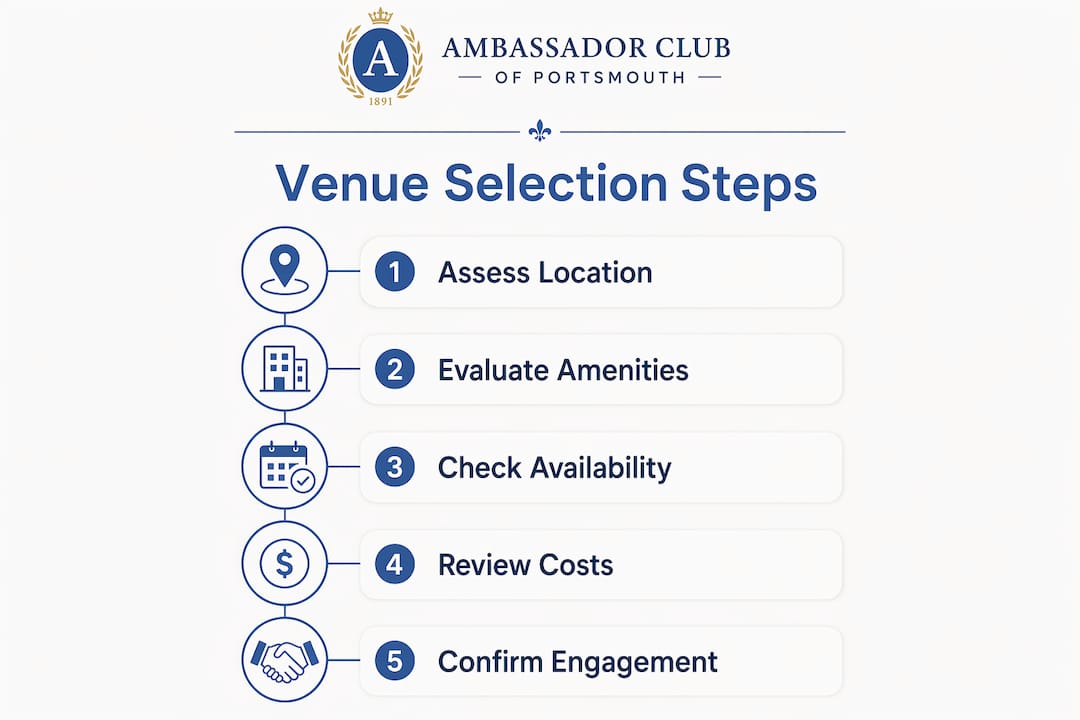
Selecting a corporate venue requires evaluating five distinct criteria in sequence. Skipping any one of them creates risk.
- Location and accessibility. Confirm proximity to your attendees' offices, hotels, or transit hubs. Verify parking capacity and whether it is included or charged separately.
- Usable capacity vs. fire-code maximum. Fire-code capacity overstates usable space because it does not account for staging, buffet areas, bars, and aisles. Plan for comfortable movement, not maximum headcount.
- Technology infrastructure. Confirm Wi-Fi bandwidth, AV compatibility, and whether hybrid streaming is supported. Test these systems in person before the event.
- Back-of-house logistics. Load-in access, storage rooms, and electrical capacity directly affect AV and catering operations. Poor logistics cause technical failures that disrupt the main guest experience.
- Contract transparency. Request explicit breakdowns of all fees. Confirm what is included in the base price and what triggers additional charges.
The table below shows how to evaluate a venue across these criteria before committing.
| Criteria | What to verify |
|---|---|
| Location | Distance from attendees, parking availability, transit access |
| Usable capacity | Layout-adjusted guest count, not fire-code maximum |
| Technology | Wi-Fi load capacity, AV systems, hybrid streaming support |
| Back-of-house | Load-in access, storage, electrical circuit capacity |
| Contract terms | Full fee breakdown including service charges, staffing, and taxes |
Brand alignment is the final filter. The venue's atmosphere should match the tone of your event. A formal client dinner requires a different setting than a team workshop. Ambassadorclubportsmouth's historic elegance, for instance, suits corporate receptions and client-facing events where first impressions carry weight.
Common pitfalls when choosing a business event venue
The most expensive mistake in venue selection is confusing maximum capacity with comfortable capacity. Overcrowding negatively affects 62.6% of attendees, making it one of the top drivers of poor event reviews. Always calculate usable floor space after accounting for staging, catering stations, and circulation paths.
Hidden fees are the second major pitfall. Staffing costs, setup and breakdown fees, and mandatory gratuities can add 30% or more to the base rental price. The solution is simple: get every cost in writing before you sign.
Ignoring back-of-house logistics is a mistake that shows up on event day. A venue with no dedicated load-in entrance forces caterers and AV crews through the main guest entrance. That creates delays, noise, and a poor first impression for arriving guests. Back-of-house logistics like dedicated doors, storage, and electrical access are as important as the main hall itself.
Venue choice also shapes attendee engagement and brand perception. A space that feels generic or poorly maintained signals that the host did not invest in the experience. Conversely, a venue with strong visual character and professional service reinforces the host's credibility and attention to detail.
Pro Tip: Visit the venue during a live event, not just during a sales tour. Seeing how staff handle real guests, real catering, and real AV setups tells you far more than a polished walkthrough.
Key Takeaways
A business event venue succeeds when it combines usable space, integrated amenities, transparent pricing, and professional staff to support the specific format of your corporate event.
| Point | Details |
|---|---|
| Definition matters | A business event venue is built for corporate formats like MICE events, not just general gatherings. |
| Usable space over capacity | Fire-code maximums overstate usable space; plan layouts around comfortable guest movement. |
| Amenities reduce risk | Integrated catering, AV, and staffing eliminate the coordination failures that derail events. |
| Hidden fees are common | Always request a full line-item cost breakdown before signing any venue contract. |
| Atmosphere affects outcomes | Venue aesthetics and professional service directly influence attendee engagement and brand perception. |
What I've learned from years of evaluating corporate venues
Most people treat venue selection as a logistics problem. They count seats, check the price, and sign. That approach produces mediocre events.
The venues that consistently deliver strong outcomes share one trait: they treat the organizer as a partner, not a booking. Their staff knows the space's limitations before you discover them on event day. They flag the electrical panel that cannot handle two espresso machines simultaneously. They tell you the loading dock is shared with the restaurant next door on friday evenings. That kind of institutional knowledge is worth more than any amenity on a brochure.
The role of venue aesthetics in business events is also underestimated. Attendees form an impression of the host within the first 90 seconds of arrival. A well-maintained, visually distinctive space communicates that the host values the experience. A generic conference room in a hotel basement communicates the opposite, regardless of the agenda.
My strongest recommendation is to visit any shortlisted venue during a live event. Watch how the staff moves. Watch how catering is handled. Watch whether the AV technician is present or whether the organizer is fumbling with cables. That single visit will tell you more than any site tour or sales pitch.
The best venues for business events are not always the largest or the most expensive. They are the ones where the infrastructure, the staff, and the atmosphere align with your specific event goals. That alignment is what turns a gathering into a genuinely productive professional experience.
— MARTIN
Ambassadorclubportsmouth: an elegant venue for your next business event
Ambassadorclubportsmouth has served the Hampton Roads area since 1933, offering a 6,000 sq ft historic hall that accommodates up to 200 guests for corporate meetings, receptions, and client events.
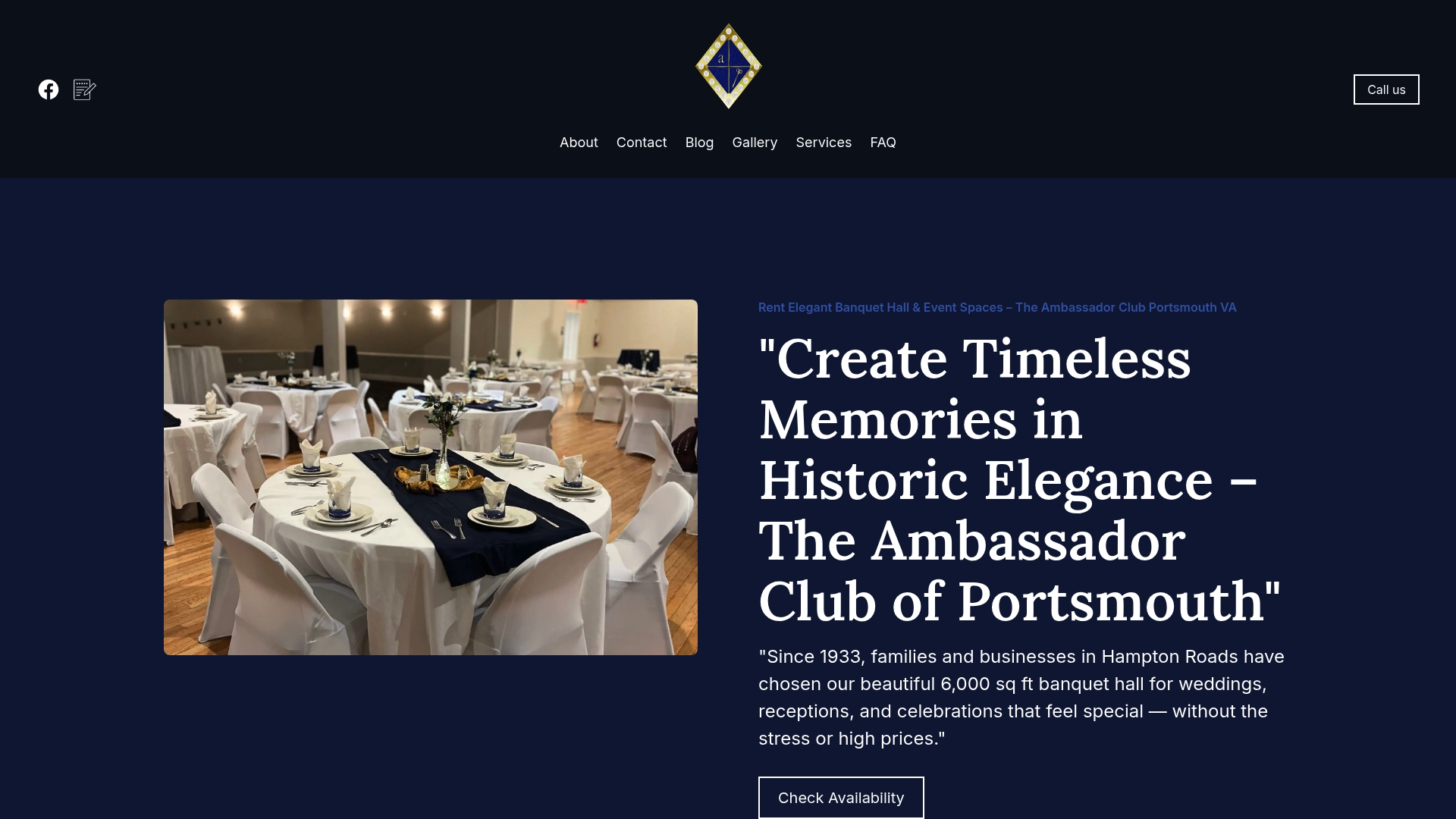
The venue includes a full commercial kitchen, flexible catering options, and comprehensive event packages that cover furniture, setup, and professional service. The historic interior creates a professional atmosphere that supports client-facing events, team gatherings, and corporate celebrations without the high rental costs typical of comparable spaces. For businesses looking to find an elegant venue for business events that combines character, amenities, and competitive pricing, Ambassadorclubportsmouth delivers. Explore venue rental options and see what the space can offer for your next event.
FAQ
What is a business event venue?
A business event venue is a professional space designed to host corporate gatherings such as meetings, conferences, and networking events, equipped with specialized infrastructure including AV systems, flexible layouts, and on-site staff.
How does a corporate venue differ from a banquet hall?
Corporate venues optimize layouts for engagement and professional interaction, while banquet halls prioritize volume and aesthetics. Business venues support formats like workshops, conferences, and hybrid events that standard banquet spaces are not built to handle.
What amenities should a business event venue include?
A qualified business event venue should include high-speed Wi-Fi, AV equipment, flexible seating configurations, on-site catering or kitchen access, and dedicated event staff to manage logistics and technical needs.
How do I avoid hidden costs when booking a venue?
Request a full line-item quote that explicitly lists service charges, staffing fees, setup and breakdown costs, and applicable taxes. Transparent contract terms are the only reliable way to avoid budget overruns.
How many guests can a typical business event venue accommodate?
Capacity varies widely. Boutique venues typically handle 40–50 guests in focused formats, while larger venues accommodate 150–200 guests with flexible floor plans. Always calculate usable capacity after accounting for staging, catering stations, and circulation space.
Recommended
- Rent Elegant Spaces at The Ambassador Club, Portsmouth.
- The Ambassador Club of Portsmouth | The Ambassador Club of Portsmouth is a historic, community-focused civic and social organization proudly serving Portsmouth, Virginia, for over 70 years. Located at 364 Peninsula Avenue, the club is dedicated to strengthening the local community through meaningful public service, charitable contributions, and neighborly support—whether through donations, volunteer efforts, or direct aid to families, children, parents, and seniors in need. As a cornerstone of Portsmouth's social fabric, the Ambassador Club operates as a welcoming, member-driven group that fosters networking, fellowship, and positive impact. It also serves as a premier event venue, offering a beautifully renovated, spacious banquet hall of approximately 4,000 square feet (including over 3,000 square feet of dance floor), a full kitchen, stylish dry bar, large projection wall, and flexible meeting areas. The venue comfortably accommodates up to 200 guests seated or standing, making it an ideal, affordable, and elegant choice for: Weddings and receptions Holiday parties and family reunions Community dances and social gatherings Corporate trainings, meetings, and professional functions Banquets and other special celebrations With ample free parking and a reputation for exceptional value, the Ambassador Club combines timeless charm with modern amenities to create unforgettable experiences while continuing its legacy of giving back to the Portsmouth community.
- The Ambassador Club of Portsmouth | The Ambassador Club of Portsmouth is a historic, community-focused civic and social organization proudly serving Portsmouth, Virginia, for over 70 years. Located at 364 Peninsula Avenue, the club is dedicated to strengthening the local community through meaningful public service, charitable contributions, and neighborly support—whether through donations, volunteer efforts, or direct aid to families, children, parents, and seniors in need. As a cornerstone of Portsmouth's social fabric, the Ambassador Club operates as a welcoming, member-driven group that fosters networking, fellowship, and positive impact. It also serves as a premier event venue, offering a beautifully renovated, spacious banquet hall of approximately 4,000 square feet (including over 3,000 square feet of dance floor), a full kitchen, stylish dry bar, large projection wall, and flexible meeting areas. The venue comfortably accommodates up to 200 guests seated or standing, making it an ideal, affordable, and elegant choice for: Weddings and receptions Holiday parties and family reunions Community dances and social gatherings Corporate trainings, meetings, and professional functions Banquets and other special celebrations With ample free parking and a reputation for exceptional value, the Ambassador Club combines timeless charm with modern amenities to create unforgettable experiences while continuing its legacy of giving back to the Portsmouth community.
- The Ambassador Club of Portsmouth | The Ambassador Club of Portsmouth is a historic, community-focused civic and social organization proudly serving Portsmouth, Virginia, for over 70 years. Located at 364 Peninsula Avenue, the club is dedicated to strengthening the local community through meaningful public service, charitable contributions, and neighborly support—whether through donations, volunteer efforts, or direct aid to families, children, parents, and seniors in need. As a cornerstone of Portsmouth's social fabric, the Ambassador Club operates as a welcoming, member-driven group that fosters networking, fellowship, and positive impact. It also serves as a premier event venue, offering a beautifully renovated, spacious banquet hall of approximately 4,000 square feet (including over 3,000 square feet of dance floor), a full kitchen, stylish dry bar, large projection wall, and flexible meeting areas. The venue comfortably accommodates up to 200 guests seated or standing, making it an ideal, affordable, and elegant choice for: Weddings and receptions Holiday parties and family reunions Community dances and social gatherings Corporate trainings, meetings, and professional functions Banquets and other special celebrations With ample free parking and a reputation for exceptional value, the Ambassador Club combines timeless charm with modern amenities to create unforgettable experiences while continuing its legacy of giving back to the Portsmouth community.