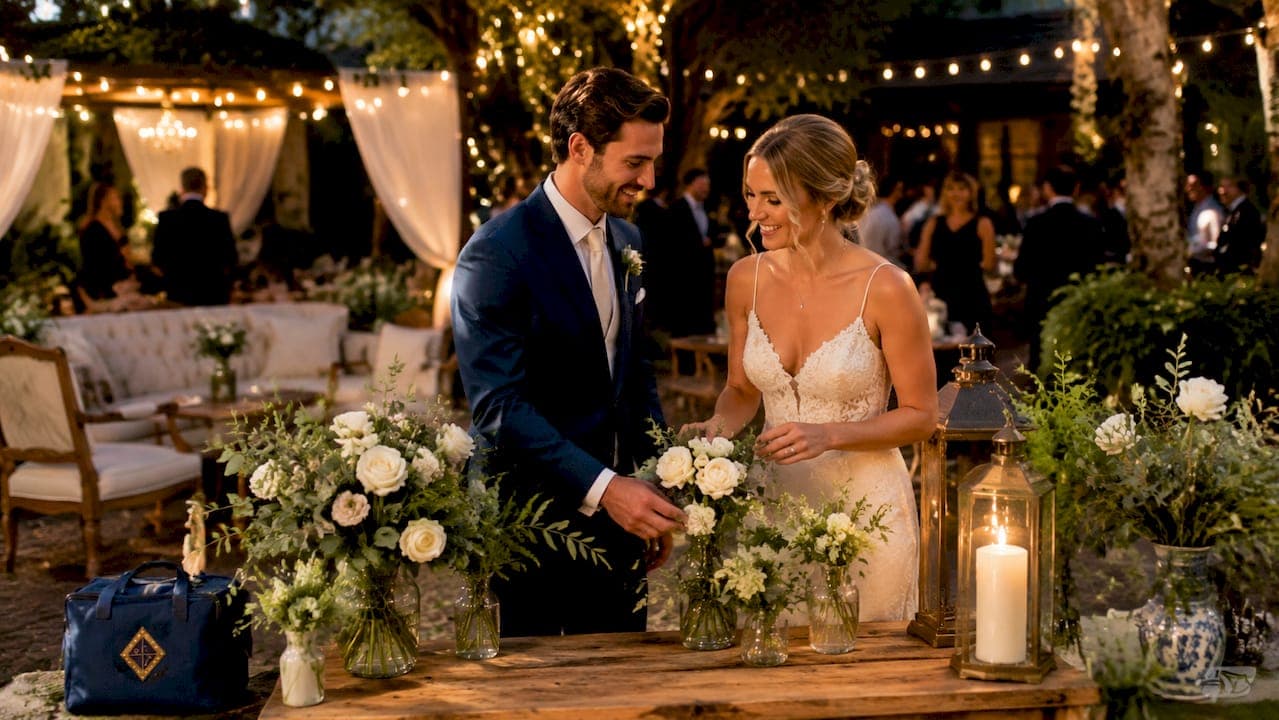
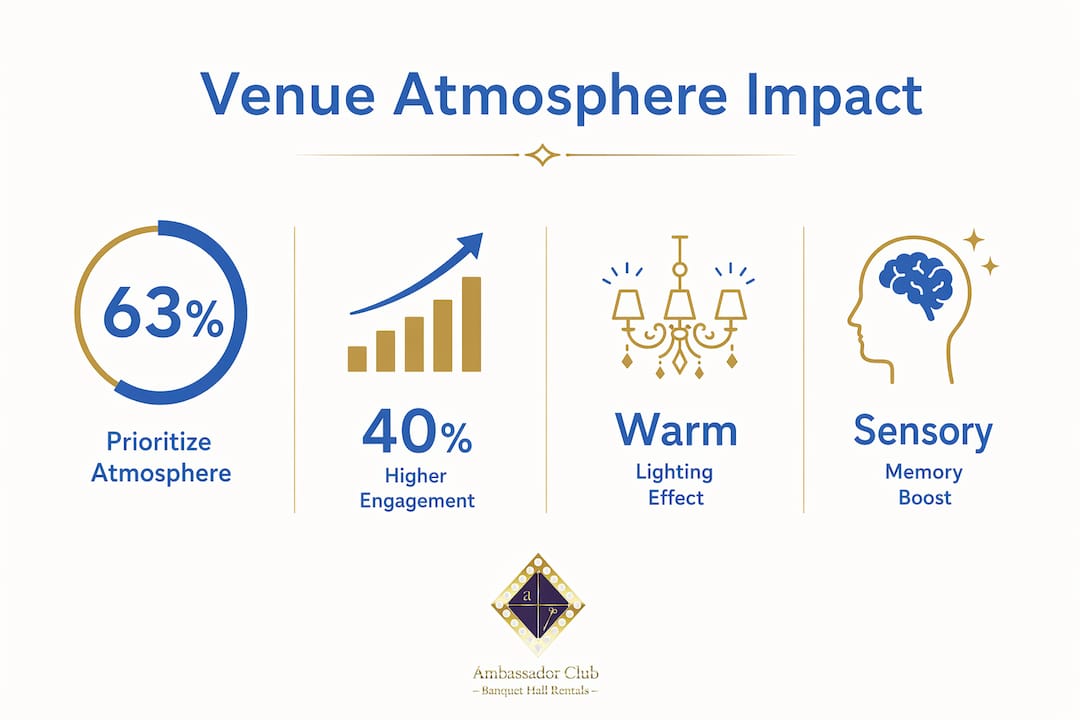
Venue aesthetics are the emotional foundation of every wedding, shaping how guests feel, what they remember, and how deeply they connect with the celebration. A Mood Media 2026 survey found that 63% of consumers prioritize atmosphere over food, price, or service when choosing hospitality spaces. That finding applies directly to weddings: the space itself does more emotional work than the menu or the floral budget. The role of venue aesthetics in weddings goes far beyond pretty walls. It is the architecture of memory, built from light, sound, scent, and spatial flow working together.
How do venue aesthetics shape wedding atmosphere and guest memory?
Venue aesthetics, known in event design as atmospheric design, is the deliberate combination of visual, sensory, and spatial elements that produce a specific emotional experience. The term covers everything from ceiling height and lighting color temperature to the smell of the room and the path guests walk from ceremony to reception. Multisensory design engaging sight, sound, smell, and texture produces stronger emotional attachments than visual aesthetics alone. That means a venue that looks stunning in photos but smells stale or echoes loudly will underperform emotionally on the day.
The reason atmosphere affects memory so powerfully is neurological. Sensory cues, especially scent and sound, are processed by the brain's limbic system, the same region that stores emotional memory. A venue that engages multiple senses simultaneously creates layered memory anchors. Guests will not just remember what the room looked like. They will remember how it felt to be inside it.
Atmospheric design also drives measurable engagement. Well-designed environments correlate with up to 40% higher guest engagement. For couples, that translates to guests who stay longer, interact more, and leave with a stronger emotional impression of the day.
What sensory elements combine to create a memorable wedding atmosphere?
Lighting as the primary mood tool
Lighting is the single most controllable element of wedding venue design. Warm light promotes intimacy while bright light encourages sociability and energy. That is why ceremony spaces typically use amber or candlelight tones, and receptions shift to brighter, more dynamic lighting as the evening progresses. Lighting architecture, the practice of using fixtures, angles, and color temperature to guide attention and shape energy, is the technique professional venue designers use to move guests emotionally through the event.
Dimmer systems and programmable LED rigs allow venues to shift the room's mood in real time. A venue without lighting flexibility forces couples to accept a fixed atmosphere regardless of the moment. Always ask whether a venue offers adjustable lighting before signing a contract.
Pro Tip: Visit the venue at the same time of day as your ceremony. Natural light changes dramatically by hour, and a room that glows at noon may feel flat at 4:00 PM.
Spatial flow and acoustic quality
Poor acoustic design and confusing spatial layout undermine guest comfort and interaction even when the decor is beautiful. A room with hard floors, bare walls, and high ceilings creates echo that makes conversation exhausting. Guests who cannot hear each other disengage from the celebration and leave earlier.
Spatial flow refers to the logical path guests move through during an event. A well-designed layout separates the bar from the dance floor to prevent crowding, positions the head table for clear sightlines, and keeps catering traffic away from guest areas. When flow breaks down, the emotional narrative of the evening breaks with it.
- Lighting flexibility: Confirm dimmer controls, programmable LEDs, and uplighting options.
- Acoustic treatment: Check for soft furnishings, draping, or carpeting that absorbs sound.
- Spatial separation: Verify that the bar, dance floor, and dining areas have distinct zones.
- Scent neutrality: A venue that smells of cleaning chemicals or old carpet will undercut any floral arrangement.
- Ceiling height: Higher ceilings create grandeur but amplify echo. Lower ceilings feel intimate but can feel crowded at capacity.
What does venue coordination include, and how does it affect aesthetics?
Venue coordinator versus wedding planner
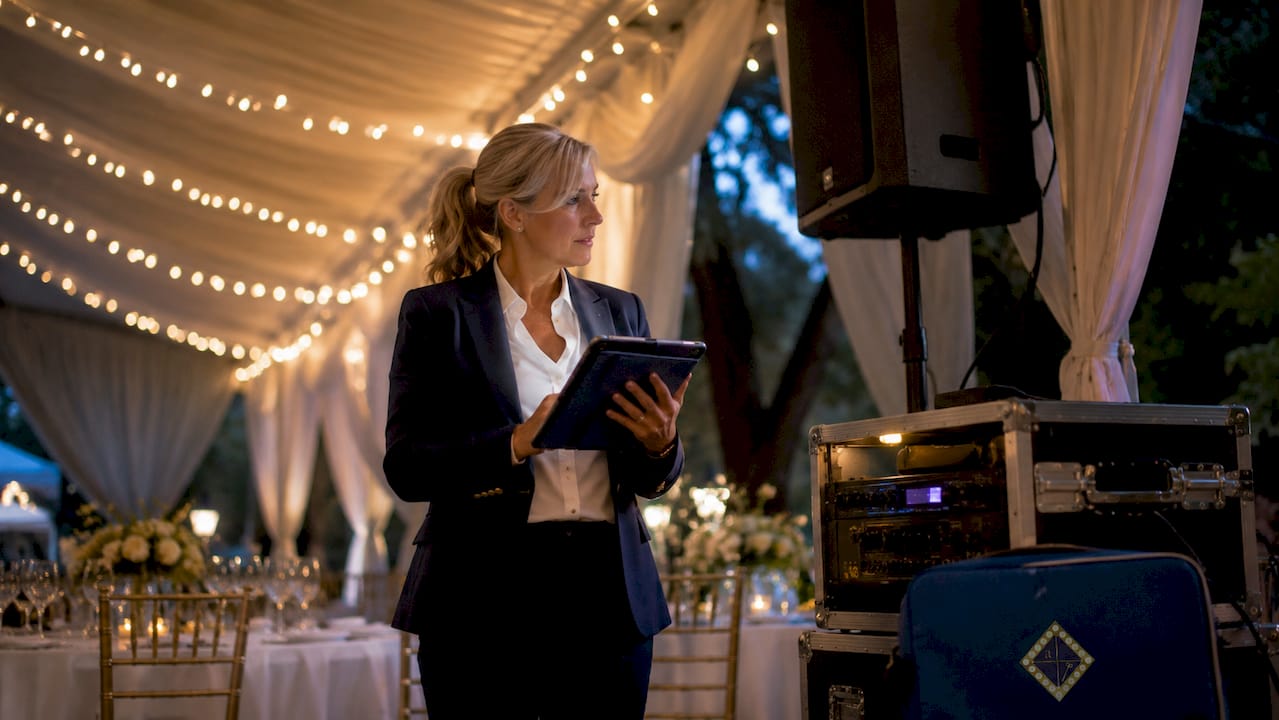
The role of venue coordinator in weddings is frequently misunderstood, and that misunderstanding costs couples. Venue coordinators manage venue operations, staff, and compliance. They do not manage the full wedding timeline or coordinate external vendors. Their job is to make sure the building runs correctly: catering staff are in position, the sound system works, and fire code is met.
Wedding planners coordinate the couple's full experience, including vendor timelines, styling decisions, and guest flow. They bridge the operational gaps that venue coordinators do not cover. A venue coordinator typically arrives one to two hours before the event and leaves after dinner service. A wedding planner stays for the entire day.
Clear role distinctions between these two professionals help couples maintain consistent atmosphere management and reduce stress. When both parties understand their boundaries, the aesthetic vision stays intact from setup through the final dance.
- Confirm the venue coordinator's scope. Ask exactly what they manage and when they are on site.
- Identify the gaps. If the venue coordinator leaves after dinner, who manages the DJ, the photographer, and the timeline for the rest of the evening?
- Hire a wedding planner for full-day coverage. A planner protects the aesthetic experience from start to finish.
- Schedule a joint walkthrough. Bring your wedding planner and venue coordinator together before the event to align on setup, timing, and atmosphere adjustments.
Why can venue photos mislead couples about the real atmosphere?
Photos capture one moment of visual beauty under controlled conditions. They cannot convey acoustic quality, spatial flow, or the way a room smells after 150 guests have been inside for three hours. Couples who book venues based on photos alone frequently discover a gap between expectation and reality on the wedding day.
Venue orientation critically impacts photography quality and atmosphere. North-facing rooms provide consistent, soft light ideal for photos. South-facing rooms can produce harsh shadows that editing cannot fully correct. A venue that photographs beautifully in a photographer's portfolio may look completely different during your 3:00 PM ceremony in october.
In-person venue visits at the actual event time reveal essential details on lighting, acoustics, flow, and sensory experience that photos cannot capture. Wedding photographers describe the venue as the "photographic ceiling" of a wedding. No amount of camera skill or post-processing overcomes a room with bad light or chaotic layout.
| Atmosphere element | What photos show | What you must assess in person |
|---|---|---|
| Lighting | Styled, often enhanced | Natural light at your event time |
| Acoustics | Nothing | Echo, background noise, speaker placement |
| Spatial flow | Staged, empty room | Traffic patterns at capacity |
| Scent | Nothing | Cleaning products, age, ventilation quality |
| Orientation | Exterior only | Direction of natural light during your event |
Pro Tip: Ask the venue to show you the space during a live event or at the exact hour your ceremony begins. The difference from a daytime tour can be significant.
How can couples align venue aesthetics with their wedding vision?
Aligning your wedding vision with a venue's existing aesthetic requires a structured evaluation process, not just a gut feeling on a tour. The venue's character sets the baseline. Every styling decision you make either reinforces or fights against that baseline.
- Bring a lighting checklist. Ask about dimmer controls, fixture types, and whether you can add uplighting or candles.
- Test the acoustics. Clap once in the empty room and listen for echo. Speak at a normal volume from the back of the room to the front.
- Assess the layout at your guest count. A room that feels spacious with 50 people may feel congested at 180.
- Discuss atmosphere adjustments with the venue coordinator. Some venues restrict open flames, certain draping methods, or outside lighting rigs.
- Match your styling to the venue's character. A historic ballroom fights against minimalist Scandinavian decor. A modern loft fights against ornate Victorian styling.
Coordinate communication between your venue coordinator and wedding planner before the event. Atmosphere management breaks down when these two professionals operate in silos. A joint planning meeting three to four weeks before the wedding aligns setup timelines, vendor access windows, and aesthetic decisions. The Hampton Roads venue options available in the region vary widely in their flexibility for atmosphere customization. Knowing what adjustments a venue permits before you book saves significant stress later.
Pro Tip: Request a written list of what the venue permits and prohibits for decor and atmosphere adjustments. Verbal agreements disappear under the pressure of wedding week.
Key Takeaways
Venue aesthetics shape wedding memories more than any single vendor, styling choice, or budget decision, making atmosphere evaluation the most critical step in venue selection.
| Point | Details |
|---|---|
| Atmosphere outranks food and price | 63% of consumers prioritize atmosphere over food or service in hospitality spaces. |
| Multisensory design drives memory | Engaging sight, sound, scent, and texture creates stronger emotional recall than visuals alone. |
| Lighting is the most controllable element | Warm light builds intimacy; bright light drives social energy. Confirm flexibility before booking. |
| Venue coordinator scope is limited | Coordinators manage operations, not full timelines. Hire a wedding planner for complete coverage. |
| Photos cannot replace in-person visits | Acoustics, scent, spatial flow, and natural light only reveal themselves during a live visit. |
Why atmosphere is the decision couples underestimate most
Couples spend months choosing a florist and hours debating centerpiece colors. Most spend less than two hours evaluating the venue's actual atmosphere. That is the wrong order of priorities, and I have seen it produce regret more than any other planning mistake.
The venue is not the backdrop. It is the instrument. Every other element, the flowers, the music, the lighting you rent, either harmonizes with the venue's inherent character or works against it. A room with bad acoustics will make your band sound muddy regardless of how talented they are. A south-facing room will produce harsh shadows in your ceremony photos regardless of how skilled your photographer is.
What I find most couples miss is the multisensory dimension of atmosphere. They evaluate venues visually because that is what photos train them to do. But the memories that last are not visual. They are the feeling of the room, the warmth of the light on skin, the ease of conversation, the way the space made guests want to stay. Those are sensory and spatial qualities. You cannot see them in a photo. You have to stand in the room.
The coordination piece matters just as much. When a venue coordinator's role is unclear, the atmosphere suffers. Lighting cues get missed. Vendor arrivals conflict. The emotional arc of the evening loses its shape. Couples who invest in both a venue coordinator and a wedding planner, and who clearly define each person's responsibilities, consistently report smoother, more memorable events.
Prioritize atmosphere as a primary criterion, not an afterthought. The venue you choose sets the ceiling for everything else.
— MARTIN
Elegant spaces at Ambassadorclubportsmouth for your wedding day
Ambassadorclubportsmouth has served the Hampton Roads community since 1933, offering a 6,000 sq ft hall that accommodates up to 200 guests with flexible lighting, a full commercial kitchen, and a layout designed for both ceremony and reception flow.
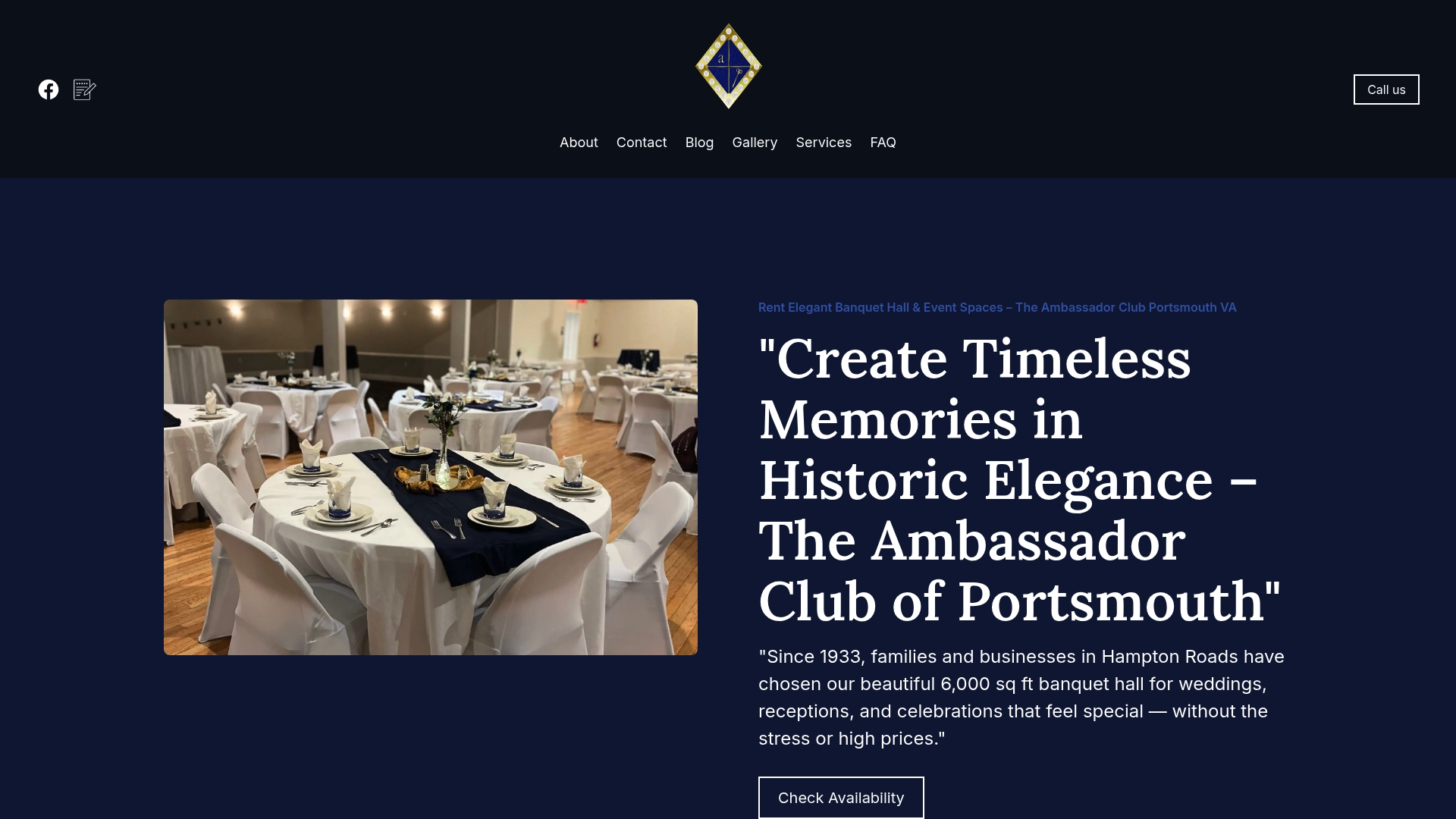
The venue's historic design provides an inherent aesthetic character that supports a wide range of wedding styles, from classic formal receptions to relaxed family celebrations. Experienced venue coordinators manage all facility operations so couples can focus on the experience rather than the logistics. For couples who want a beautiful event space that delivers atmosphere, flexibility, and expert coordination at competitive rates, Ambassadorclubportsmouth is worth a visit. Explore the elegant banquet hall features that make the venue a strong foundation for a memorable wedding atmosphere.
FAQ
What is the role of venue aesthetics in weddings?
Venue aesthetics define the emotional atmosphere of a wedding by combining lighting, spatial layout, acoustics, and sensory elements. These factors shape how guests feel and what they remember long after the event ends.
Why does venue ambiance affect wedding memories?
Sensory cues processed during emotionally significant events create stronger and more lasting memories. A venue that engages multiple senses simultaneously, through light, sound, scent, and texture, produces deeper emotional recall than one that relies on visual decor alone.
What does a venue coordinator do at a wedding?
A venue coordinator manages facility operations, staff, and compliance. They typically arrive one to two hours before the event and focus on the building's function, not the couple's full wedding timeline or external vendor coordination.
How does lighting affect wedding atmosphere?
Warm lighting promotes intimacy and is best for ceremonies and dinner. Brighter, more dynamic lighting encourages social energy on the dance floor. Venues with programmable lighting systems allow couples to shift the room's mood as the event progresses.
Should I visit a venue in person before booking?
An in-person visit at the same time of day as your event is the only reliable way to assess acoustics, natural light quality, spatial flow, and scent. Photos and virtual tours cannot replicate the sensory experience of being inside the space.