
Renting commercial event space locally means securing a short-term license to use a venue for a specific event, whether that is a wedding, corporate meeting, fundraiser, or birthday celebration. The industry term for this practice is "short-term commercial venue rental," and it covers everything from community halls and nonprofit spaces to fully equipped ballrooms. The local rental market varies widely in pricing, policies, and amenities, so knowing what to look for before you sign anything saves you money and stress. Ambassadorclubportsmouth, operating since 1933 in Portsmouth, VA, is one example of how a fully equipped historic venue can deliver both elegance and affordability in the Hampton Roads area.
What types of commercial event spaces are available locally?
The best commercial spaces for events fall into five broad categories, each with a different cost profile and amenity set.
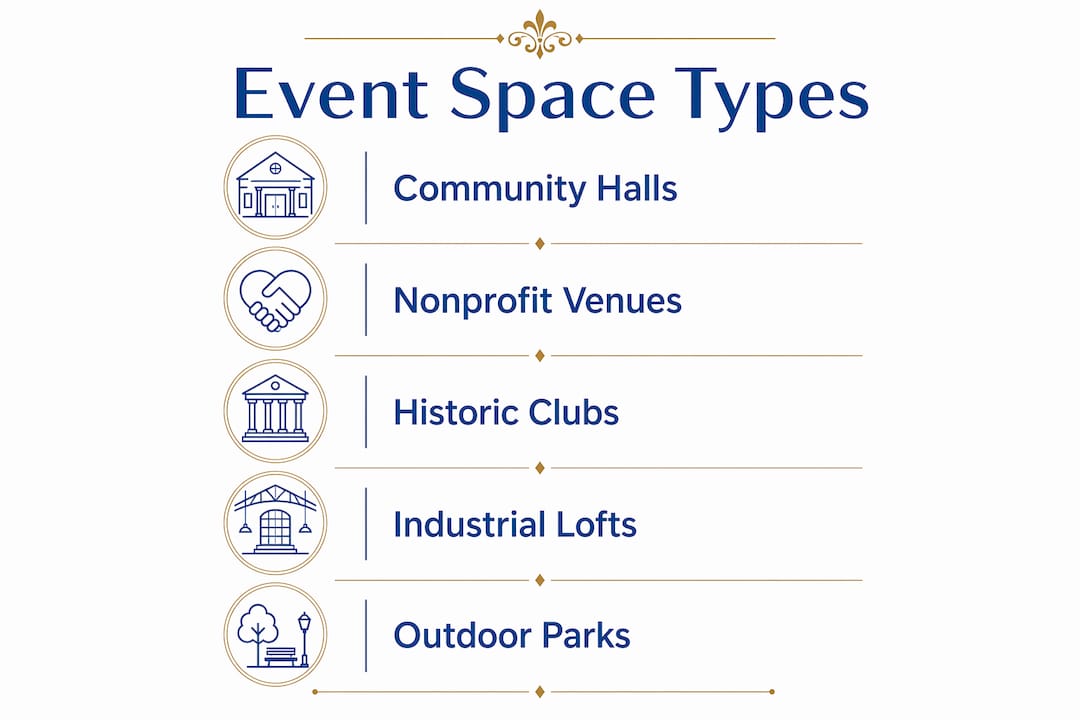
Community and civic halls are owned by cities or counties and typically offer the lowest base rates. They often come with basic tables, chairs, and a kitchen, but AV equipment is rarely included. Capacity ranges from 50 to 300 guests depending on the facility.
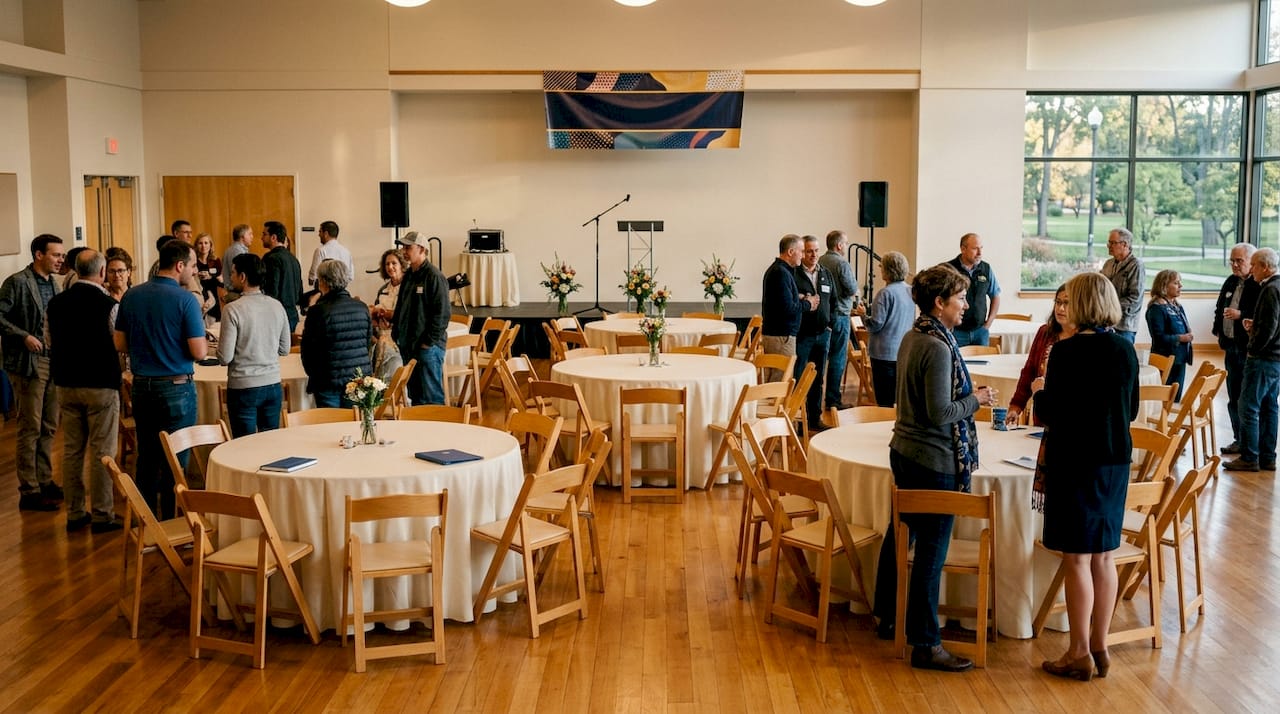
Nonprofit and mission-driven venues are a hidden gem for budget-conscious planners. Nonprofit venues offer sustaining rates that can save community groups 20–50% compared to standard commercial pricing. That discount exists because these spaces want to support social impact events, not just maximize revenue.
Historic and private clubs like Ambassadorclubportsmouth offer a 6,000 sq ft hall, a full commercial kitchen, flexible catering options, and capacity for up to 200 guests. The base rate is higher than a bare civic hall, but the included amenities often make the total cost lower.
Industrial and loft spaces appeal to creative events. They are blank canvases, which sounds appealing until you price out the rentals. Blank-canvas spaces often lead to higher overall costs because you must rent AV equipment, furniture, and support services separately.
Outdoor and park facilities work well for daytime gatherings but require weather contingency plans and often carry permit requirements from local parks departments.
| Venue type | Typical capacity | Amenities included | Relative cost |
|---|---|---|---|
| Civic/community hall | 50–300 | Tables, chairs, basic kitchen | Low |
| Nonprofit venue | 30–150 | Varies; often AV included | Low to medium |
| Historic/private club | 100–200 | AV, kitchen, furniture, staff | Medium |
| Industrial/loft space | 50–250 | Minimal; bring your own | Medium to high |
| Outdoor/park facility | 50–500 | Shelter, restrooms | Low to medium |
Pro Tip: Visit the venue's website and request a full amenity list before your site visit. Venues that list "tables and chairs included" often mean folding tables, not the linen-covered rounds you pictured.
How to budget effectively when renting event space locally
Pricing for local event venue rental follows two main models: hourly rates and flat-day rates. Hourly pricing works well for short meetings or receptions. Flat-day rates are standard for weddings. Standard event rentals usually require a 3-hour minimum, with full-day bookings mandatory for weddings, and that minimum typically includes one hour for setup and 30 minutes for teardown.
After-hours bookings cost more. Premium venue after-hours rates run up to 40% higher than standard daytime pricing. A venue charging $125 per hour on a weekend afternoon may charge $175 per hour after 6 p.m. Budget for that gap early.
Additional fees stack up fast. The most common ones include:
- Cleaning fees: $75–$200 depending on venue size
- Security deposit: Administrative deposits typically range from $100 to $250, refundable after the event
- Alcohol permit: A flat $100 fee is common at approved locations
- AV equipment rental: $50–$300 if not included
- Event insurance: Required by most venues; budget $100–$300 depending on guest count
Nonprofit and community organizations often qualify for reduced rates. Tiered pricing models can save 20–50% for qualifying groups. Ask directly about nonprofit or community pricing when you first inquire.
| Fee type | Typical range | Notes |
|---|---|---|
| Hourly base rate | $75–$250/hr | Varies by venue type and time of day |
| After-hours surcharge | Up to 40% above base | Evenings and weekends |
| Security deposit | $100–$250 | Refundable; held against damages |
| Alcohol permit | $100 flat | Required at licensed locations |
| Event insurance | $100–$300 | Often mandatory; confirm with venue |
Pro Tip: Ask the venue for a written breakdown of every fee before you sign. Verbal quotes rarely include cleaning fees, overtime charges, or insurance requirements.
How to book and prepare to rent commercial event space locally
Booking a local event venue follows a clear sequence. Skipping steps leads to surprises on event day.
-
Define your requirements first. Write down your expected guest count, event type, date range, and must-have amenities before contacting any venue. This prevents you from falling in love with a space that cannot meet your needs.
-
Submit your inquiry early. Rental applications for high-demand venues should go in at least six months ahead of your event date. That timeline gives you room to secure permits and make changes without pressure.
-
Schedule a site visit. Physical site visits reveal hidden challenges like poor acoustics, insufficient power outlets, and awkward load-in routes. Photos mask these issues. A 30-minute walkthrough prevents costly last-minute equipment rentals.
-
Review the contract in detail. Pay close attention to:
- Load-in and load-out windows (often only 30–60 minutes)
- Cleanup expectations and who is responsible
- Alcohol and catering policies
- Insurance requirements and who provides coverage
- Overtime fee structure
-
Confirm vendor access. If you are bringing a caterer, DJ, or florist, verify that the venue allows outside vendors. Some spaces require you to use their preferred vendor list.
-
Submit your application and deposit. Most venues require a signed contract and a deposit to hold your date. Event spaces operate on a first-come, first-served basis, so a verbal agreement holds nothing.
-
Coordinate your setup timeline. Build your day-of schedule around the venue's load-in window, not your preferred start time. Give yourself a buffer for vendor delays.
What are the most common mistakes when renting event spaces?
Most budget overruns and event-day problems trace back to a short list of avoidable mistakes.
Underestimating total costs is the most common error. Planners focus on the base rental rate and ignore cleaning fees, overtime charges, and equipment rentals. Hidden contract clauses can increase total costs by 10–20% when teardown deadlines and AV exclusions are not caught early.
Misjudging load-out time creates real financial pain. Load-in and load-out windows are often strict at 30–60 minutes and are frequently overlooked. Running over that window triggers overtime fees or forfeits your deposit.
Skipping the alcohol policy check is a costly oversight. Alcohol policies significantly affect costs because some venues require licensed bartenders, others allow self-pour with a permit, and some prohibit alcohol entirely. Confirming this early prevents a last-minute scramble for a licensed server or a permit.
Ignoring parking and accessibility frustrates guests and can violate ADA requirements. Ask the venue how many parking spaces are available, whether the entrance is accessible, and whether overflow parking exists nearby.
"The venue looked perfect in photos. Then we showed up and found one working power outlet near the stage and no loading dock. We spent $400 on extension cords and a dolly rental that day." This is a real pattern. Site visits are not optional.
Pro Tip: Read the cleanup clause twice. Many venues define "clean" as returning the space to its pre-event condition, which includes removing all decorations, trash, and catering supplies within the load-out window.
Key takeaways
Renting commercial event space locally requires early booking, a full site visit, and a line-by-line contract review to avoid hidden fees and day-of surprises.
| Point | Details |
|---|---|
| Book at least six months early | High-demand venues fill fast; early booking locks in your date and stabilizes costs. |
| Always do a site visit | Photos hide acoustics problems and power outlet gaps that cost money to fix on event day. |
| Budget beyond the base rate | Deposits, permits, insurance, and overtime fees routinely add 20–40% to the quoted price. |
| Ask about nonprofit rates | Qualifying organizations can save 20–50% through tiered pricing at community and nonprofit venues. |
| Read the load-out clause | Missing a 30–60 minute window can forfeit your deposit or trigger overtime charges. |
What I have learned from years of watching event rentals go wrong
The most expensive mistake I see is choosing a blank-canvas space because it looks cheaper on paper. You pay $800 for the room and then spend $1,200 renting tables, chairs, a sound system, and a projector. A fully equipped venue at $1,400 flat would have cost less and caused far less stress.
The second thing I have learned is that nonprofit and community venues are genuinely underused. Planners assume they are low-quality or hard to book. In reality, many are well-maintained, centrally located, and staffed by people who actually want your event to succeed. The sustaining rate model at these venues exists specifically to make events accessible. Use it.
My strongest advice is this: never skip the site visit, even for a venue you have heard great things about. I have seen beautiful spaces with one working restroom, no loading access, and a noise ordinance that ends at 9 p.m. None of that shows up in a brochure. Thirty minutes in person tells you more than three hours of online research.
Finally, submit your application earlier than you think you need to. Spaces operate on a first-come, first-served basis, and the best dates go fast. Waiting until four months out for a peak-season event is already late.
— MARTIN
A premier local option worth knowing about
Finding an affordable, fully equipped venue in the Hampton Roads area is easier than most planners expect.

Ambassadorclubportsmouth has operated as a premier event venue in Portsmouth, VA, since 1933. The club's 6,000 sq ft hall accommodates up to 200 guests and includes AV equipment, furniture, and a full commercial kitchen, so you are not paying extra to furnish the room. Flexible catering options and competitive package pricing make it a strong fit for weddings, receptions, corporate events, and community gatherings. If you are ready to stop pricing out equipment rentals and start planning the actual event, explore available spaces at Ambassadorclubportsmouth and request a tour or quote directly.
FAQ
How far in advance should I book a commercial event space?
Submit your rental application at least six months ahead for high-demand dates. Peak seasons fill quickly, and early booking also gives you time to secure permits and finalize vendors.
What fees should I expect beyond the base rental rate?
Most venues charge a security deposit of $100–$250, a cleaning fee, and event insurance. Alcohol permits typically add a flat $100 fee, and after-hours bookings can run up to 40% more than daytime rates.
Do nonprofit organizations get discounts on venue rentals?
Yes. Many community and nonprofit venues offer tiered pricing that saves qualifying groups 20–50% compared to standard commercial rates. Ask about sustaining or community rates when you first inquire.
What should I check during a venue site visit?
Check acoustics, the number and location of power outlets, load-in and load-out access, parking availability, and restroom capacity. Site visits reveal logistical issues that photos consistently hide.
What is a load-out window and why does it matter?
A load-out window is the time allotted after your event to remove all equipment, decorations, and catering supplies. Most venues allow only 30–60 minutes. Missing this window triggers overtime fees or forfeits your deposit.
Recommended
- Rent Elegant Spaces at The Ambassador Club, Portsmouth.
- The Ambassador Club of Portsmouth | The Ambassador Club of Portsmouth is a historic, community-focused civic and social organization proudly serving Portsmouth, Virginia, for over 70 years. Located at 364 Peninsula Avenue, the club is dedicated to strengthening the local community through meaningful public service, charitable contributions, and neighborly support—whether through donations, volunteer efforts, or direct aid to families, children, parents, and seniors in need. As a cornerstone of Portsmouth's social fabric, the Ambassador Club operates as a welcoming, member-driven group that fosters networking, fellowship, and positive impact. It also serves as a premier event venue, offering a beautifully renovated, spacious banquet hall of approximately 4,000 square feet (including over 3,000 square feet of dance floor), a full kitchen, stylish dry bar, large projection wall, and flexible meeting areas. The venue comfortably accommodates up to 200 guests seated or standing, making it an ideal, affordable, and elegant choice for: Weddings and receptions Holiday parties and family reunions Community dances and social gatherings Corporate trainings, meetings, and professional functions Banquets and other special celebrations With ample free parking and a reputation for exceptional value, the Ambassador Club combines timeless charm with modern amenities to create unforgettable experiences while continuing its legacy of giving back to the Portsmouth community.
- The Ambassador Club of Portsmouth | The Ambassador Club of Portsmouth is a historic, community-focused civic and social organization proudly serving Portsmouth, Virginia, for over 70 years. Located at 364 Peninsula Avenue, the club is dedicated to strengthening the local community through meaningful public service, charitable contributions, and neighborly support—whether through donations, volunteer efforts, or direct aid to families, children, parents, and seniors in need. As a cornerstone of Portsmouth's social fabric, the Ambassador Club operates as a welcoming, member-driven group that fosters networking, fellowship, and positive impact. It also serves as a premier event venue, offering a beautifully renovated, spacious banquet hall of approximately 4,000 square feet (including over 3,000 square feet of dance floor), a full kitchen, stylish dry bar, large projection wall, and flexible meeting areas. The venue comfortably accommodates up to 200 guests seated or standing, making it an ideal, affordable, and elegant choice for: Weddings and receptions Holiday parties and family reunions Community dances and social gatherings Corporate trainings, meetings, and professional functions Banquets and other special celebrations With ample free parking and a reputation for exceptional value, the Ambassador Club combines timeless charm with modern amenities to create unforgettable experiences while continuing its legacy of giving back to the Portsmouth community.
- The Ambassador Club of Portsmouth | The Ambassador Club of Portsmouth is a historic, community-focused civic and social organization proudly serving Portsmouth, Virginia, for over 70 years. Located at 364 Peninsula Avenue, the club is dedicated to strengthening the local community through meaningful public service, charitable contributions, and neighborly support—whether through donations, volunteer efforts, or direct aid to families, children, parents, and seniors in need. As a cornerstone of Portsmouth's social fabric, the Ambassador Club operates as a welcoming, member-driven group that fosters networking, fellowship, and positive impact. It also serves as a premier event venue, offering a beautifully renovated, spacious banquet hall of approximately 4,000 square feet (including over 3,000 square feet of dance floor), a full kitchen, stylish dry bar, large projection wall, and flexible meeting areas. The venue comfortably accommodates up to 200 guests seated or standing, making it an ideal, affordable, and elegant choice for: Weddings and receptions Holiday parties and family reunions Community dances and social gatherings Corporate trainings, meetings, and professional functions Banquets and other special celebrations With ample free parking and a reputation for exceptional value, the Ambassador Club combines timeless charm with modern amenities to create unforgettable experiences while continuing its legacy of giving back to the Portsmouth community.