
A fundraiser event venue is any location specifically selected to host nonprofit fundraising activities, directly shaping guest attendance, donor experience, and the total funds raised. The right space does more than provide four walls. It sets the tone, controls guest flow, and determines whether your silent auction, gala dinner, or charity cocktail party runs smoothly or falls apart. Organizations like GiveSmart and event planning professionals consistently point to venue choice as one of the top variables in fundraising outcomes. Whether you are planning a 50-person benefit dinner or a 500-person charity gala, understanding what makes a strong fundraiser venue is the first decision that shapes every other one.
What is a fundraiser event venue?
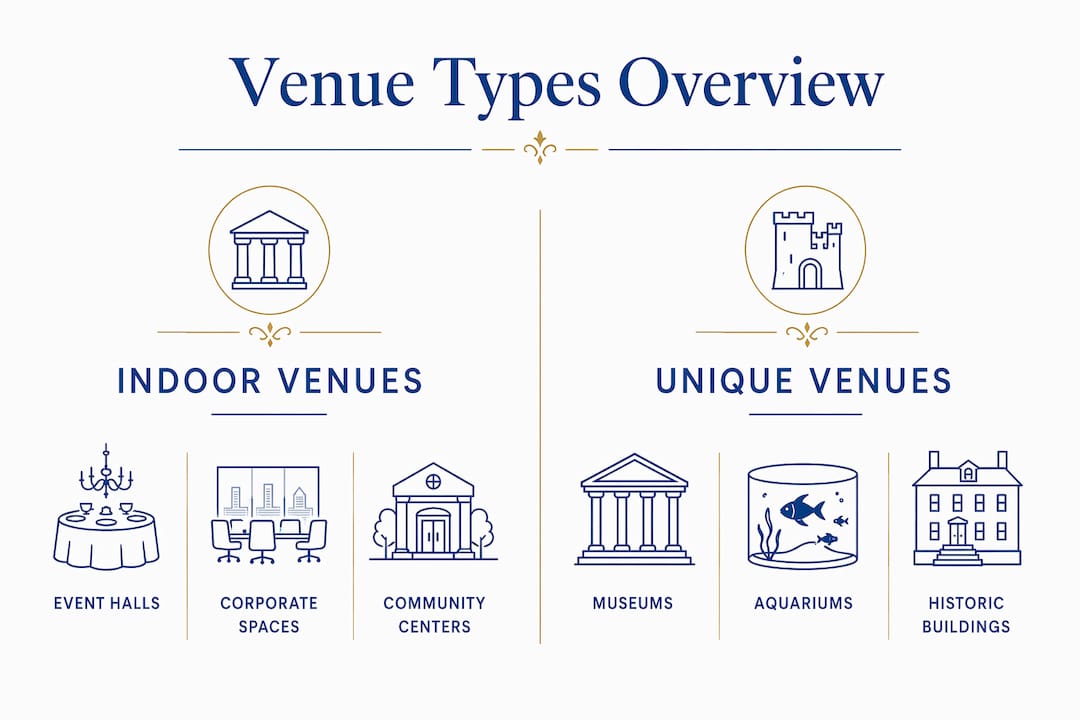
A fundraiser event venue is the physical space where a nonprofit or individual organizer hosts activities designed to raise money for a cause. The industry term used by event professionals is "event venue," but in the fundraising context, the selection criteria go beyond standard event hosting. Venue categories include dedicated event halls, community centers, museums, rooftops, corporate spaces, and creative locations like galleries or historic buildings. Each type carries different implications for cost, logistics, and donor experience.
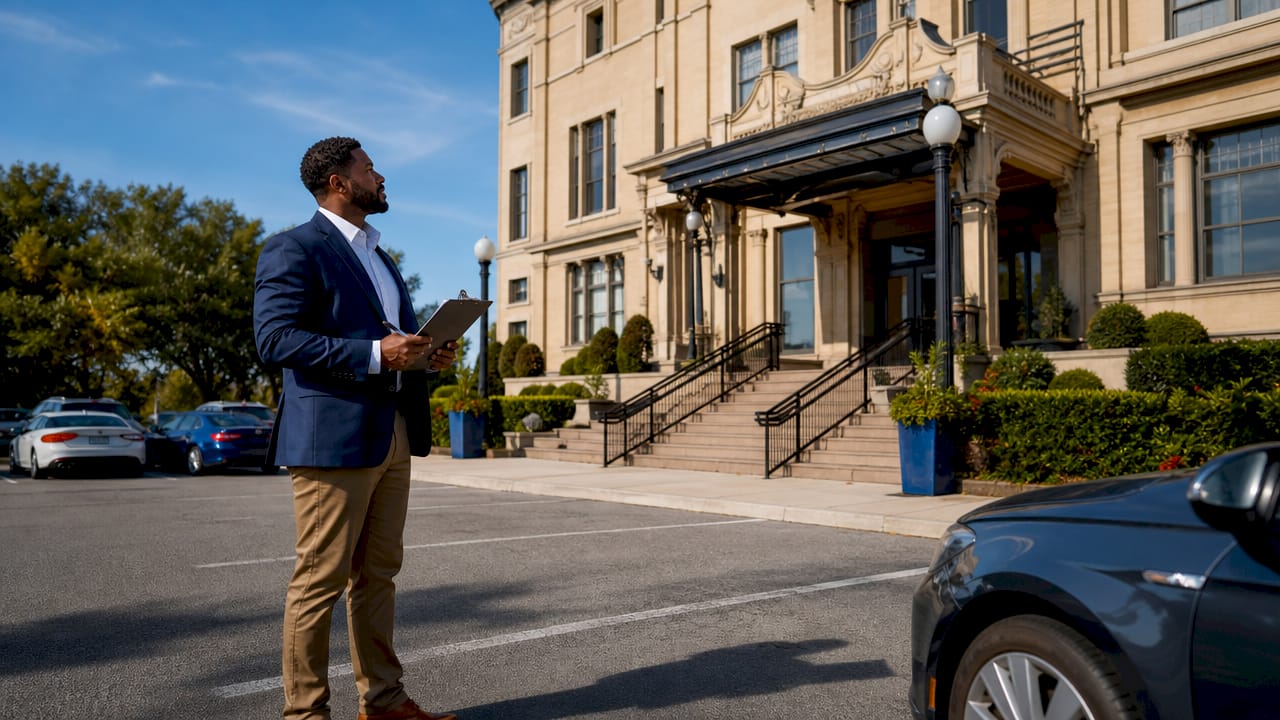
The venue choice directly affects fundraising potential. A space that is hard to find, lacks parking, or cannot support A/V equipment will suppress attendance and reduce bids at a live auction. Experienced fundraisers say venue choice significantly shapes the donor experience and can either hinder or enhance fundraising success. That is not a soft claim. It is a practical reality that shows up in ticket sales, donation totals, and event reviews.
What are the main types of fundraiser venues?
Fundraiser location options fall into four broad categories. Each suits different event formats, budgets, and organizational goals.
Dedicated Event Halls are purpose-built spaces with built-in infrastructure: commercial kitchens, staging areas, A/V systems, and flexible floor plans. They are the most reliable choice for seated dinners and galas. Ambassadorclubportsmouth, for example, offers a 6,000 sq ft hall in Portsmouth, VA, with a full commercial kitchen and capacity for up to 200 guests, making it a strong fit for mid-size fundraising events.
Creative and Unique Venues include museums, aquariums, rooftops, and historic buildings. These spaces create memorable experiences that can drive higher engagement and larger bids. The trade-off is logistical complexity. Unique venues often have strict vendor and decor policies that limit outside catering and require navigating approved vendor lists before you sign a contract.
Community Halls and Libraries are affordable event spaces that work well for grassroots fundraisers, school benefit nights, and neighborhood charity drives. They typically lack premium amenities but offer low rental costs and familiar, accessible locations.
Corporate and Hotel Spaces provide professional settings with full-service staff. They tend to cost more but reduce the coordination burden on the organizing team.
The table below compares venue types across the factors that matter most to fundraiser planners.
| Venue Type | Typical Capacity | Cost Level | Best For |
|---|---|---|---|
| Dedicated Event Hall | 100–500 | Moderate | Galas, seated dinners, auctions |
| Museum or Gallery | 150–600 | High | Cocktail receptions, premium galas |
| Community Hall | 50–200 | Low | Grassroots drives, benefit nights |
| Rooftop or Outdoor Space | 75–300 | Moderate | Cocktail parties, casual fundraisers |
| Hotel Ballroom | 200–1,000 | High | Large galas, corporate charity events |
One critical planning detail: seating capacity varies drastically by event style. A space that holds 700 guests cocktail-style may only accommodate 400 for a seated dinner. That gap directly affects how many tickets you can sell and how much revenue you can generate.
How to choose the right venue for your fundraiser event
Choosing the right event venue starts with defining your event requirements before you look at a single space. Guest count, event format, technical needs, parking, and accessibility all need to be locked in first. Only then can you evaluate whether a specific venue actually fits.
Follow this checklist when evaluating any fundraiser location:
- Confirm capacity for your specific format. Request venue specifications for cocktail, seated, and theater-style layouts. Proper capacity planning requires getting these numbers from venue staff directly, not estimating from square footage alone.
- Check A/V capabilities. Clear sightlines for speakers and reliable connectivity for live auctions are non-negotiable. A/V needs must be confirmed during the site visit, not assumed.
- Assess proximity to your donor base. A venue that is inconvenient for your core supporters will reduce attendance. Location alignment with your donor community is a direct revenue factor.
- Evaluate guest flow for fundraising activities. The layout must support a gala dinner, silent auction tables, a stage for speeches, and a donation station without creating bottlenecks.
- Ask about vendor policies. Open vendor policies give you flexibility and can reduce costs, but they require you to act as the project manager coordinating multiple vendors. All-inclusive venues cover catering, tables, and staff but typically cost more upfront.
- Start the process 6–12 months in advance. Popular venues book fast, and early engagement gives you negotiating leverage on pricing and add-ons.
Pro Tip: Visit the venue when it is actively set up for another event, not during an empty floor tour. Visiting during active setups reveals traffic flow bottlenecks and real guest interaction patterns that an empty room cannot show you.
The most common mistake fundraiser planners make is prioritizing how a venue looks over how it functions. Prioritizing aesthetics over functional flow is the single biggest planning error in charity event venue selection. A beautiful space that cannot support your auction layout or forces guests into a single-entry bottleneck will cost you money on event night.
What cost-saving incentives exist for nonprofits in 2026?
Nonprofit organizations have real leverage when negotiating venue costs. Many venues offer discounted rental fees, preferred catering rates, and added support specifically for registered charities. The key is knowing how to access these benefits.
Many venues offer nonprofit incentives such as reduced room hire fees contingent on providing official 501(c)(3) documentation. The National Conference Centre, for example, offers reduced packages and raffle prize support for verified charity partners. This is not a rare exception. It is a standard practice at venues experienced in hosting charity events.
Here is what to ask for when negotiating with a venue:
- Discounted rental rate in exchange for 501(c)(3) verification
- Complimentary add-ons such as A/V setup, extra tables, or extended access hours
- Preferred catering rates through the venue's in-house kitchen or approved vendors
- Sponsorship support including venue promotion of your event to their network
- Flexible payment terms that align with your fundraising timeline
Negotiating nonprofit discounts requires official tax-exempt documentation and early communication with the venue. Waiting until two months before your event eliminates most of your leverage. Start the conversation when you first inquire about availability.
Pro Tip: Ask venues directly whether they have a nonprofit rate sheet. Many do not advertise these rates publicly but will offer them when asked. Bring your 501(c)(3) letter to every site visit.
Experts recommend partnering with venues experienced in nonprofit events. These venues understand the unique demands of fundraising formats and reduce planning stress by anticipating needs your team may not think to ask about.
What are the most popular and unique venue ideas for fundraising?
The best venues for fundraising are not always the most obvious ones. Memorable spaces create emotional connections that translate into higher donor engagement and larger contributions. A well-chosen unique venue signals to donors that your organization takes its mission seriously.
Popular unique event spaces for fundraisers include:
- Museums and science centers offer dramatic backdrops and built-in prestige, though they often require working within approved vendor lists
- Aquariums create unforgettable atmospheres for evening galas, with premium pricing to match
- Historic buildings and estates connect donors to a sense of legacy and community, particularly effective for preservation-focused nonprofits
- Rooftop spaces work well for cocktail fundraisers in warmer months, with lower rental costs than ballrooms
- Farms and vineyards suit outdoor fundraiser venue ideas for organizations with a rural or environmental mission
- Sports stadiums and arenas accommodate large-scale charity events with built-in catering infrastructure
- Cruise ships and waterfront venues create destination-style experiences that justify premium ticket prices
- Libraries and university spaces offer affordable event spaces with community credibility
The trade-off with unique venues is clear. Organizations partnering with experienced venues can focus on donor engagement rather than site management. Unique spaces require more coordination, more vendor vetting, and more contingency planning. For first-time fundraiser planners, a dedicated event hall with built-in support is almost always the lower-risk choice.
Before booking any unconventional space, check approved vendor lists to confirm you can bring in your preferred caterer, decorator, and A/V team. Discovering restrictions after signing a contract is a costly mistake.
Key takeaways
The right fundraiser event venue combines functional layout, donor-friendly location, and nonprofit-compatible pricing to maximize both attendance and funds raised.
| Point | Details |
|---|---|
| Define requirements first | Lock in guest count, format, and tech needs before evaluating any venue. |
| Capacity varies by format | A venue may hold 700 cocktail guests but only 400 for a seated dinner, affecting ticket revenue. |
| Function beats aesthetics | Poor guest flow and layout bottlenecks cost more than a plain-looking room ever will. |
| Nonprofits have leverage | Bring 501(c)(3) documentation and negotiate early for discounts, add-ons, and preferred rates. |
| Unique venues carry trade-offs | Memorable spaces drive engagement but require more logistical planning and vendor coordination. |
What i have learned about venue choice after years of event coverage
The fundraising world has a persistent myth: a beautiful venue sells tickets. It does not. Donors buy tickets because they believe in the cause and trust the organization. The venue is the container. What happens inside it is what matters.
That said, a bad container can absolutely ruin a good event. I have seen galas at stunning historic venues where the auction tables were crammed into a hallway because no one walked the floor during setup. I have seen community hall fundraisers that raised more per guest than black-tie events at hotel ballrooms, simply because the layout was thoughtful and the donor experience felt personal.
The single most underrated step in venue selection is the active-setup visit. Walking an empty room tells you almost nothing. Walking a room while another event is being set up tells you everything: where the bottlenecks form, how the lighting actually feels, whether the kitchen can handle the volume, and whether the staff know what they are doing.
My other strong opinion: stop treating the venue decision as a branding exercise. The venue should serve your fundraising format, not the other way around. If your event needs a strong A/V setup for a live auction, a rooftop with no power infrastructure is the wrong choice no matter how good the photos will look. Match the space to the program, not the program to the space.
Venues with a proven track record in nonprofit events are worth paying a modest premium for. They anticipate your needs, know how to handle donation drives and auction logistics, and reduce the coordination burden on your team. That reduction in stress has a real dollar value on event night.
— MARTIN
Host your fundraiser at Ambassadorclubportsmouth
Planning a fundraiser in the Hampton Roads area? Ambassadorclubportsmouth offers a 6,000 sq ft historic event hall in Portsmouth, VA, with a full commercial kitchen, flexible catering options, and capacity for up to 200 guests. The club has been hosting significant events since 1933, and its pricing is built to work for nonprofits and community organizations, not just corporate clients.

Whether you are planning a seated charity dinner, a cocktail reception, or a benefit auction, Ambassadorclubportsmouth provides the infrastructure and support to run your event without the usual coordination headaches. Explore venue options and contact the team directly to discuss nonprofit pricing, available dates, and package details tailored to your fundraising goals.
FAQ
What is a fundraiser event venue?
A fundraiser event venue is any location selected to host nonprofit or charity fundraising activities, including event halls, community centers, museums, and rooftops. The venue choice directly affects guest attendance, event flow, and total funds raised.
How far in advance should you book a fundraiser venue?
Book your venue 6–12 months before the event date. Early booking gives you access to better pricing, more date options, and time to negotiate nonprofit discounts.
Do venues offer discounts for nonprofit organizations?
Many venues offer reduced rental fees and added support for registered nonprofits. Bring your 501(c)(3) documentation to every venue inquiry and ask specifically about nonprofit rate sheets.
What makes a good fundraiser venue?
A good fundraiser venue supports your specific event format, accommodates your guest count in the correct layout style, offers reliable A/V infrastructure, and is located near your donor base. Functional flow matters more than visual appeal.
What are unique venue ideas for a fundraising event?
Museums, aquariums, historic estates, rooftops, farms, and waterfront spaces all create memorable donor experiences. Check vendor and decor restrictions before booking, as unique venues often limit outside catering and decoration options.